
SOC Container Shipping from China to Canada shipping
SOC Container Shipping from China to Canada - DDU / DAP Planning
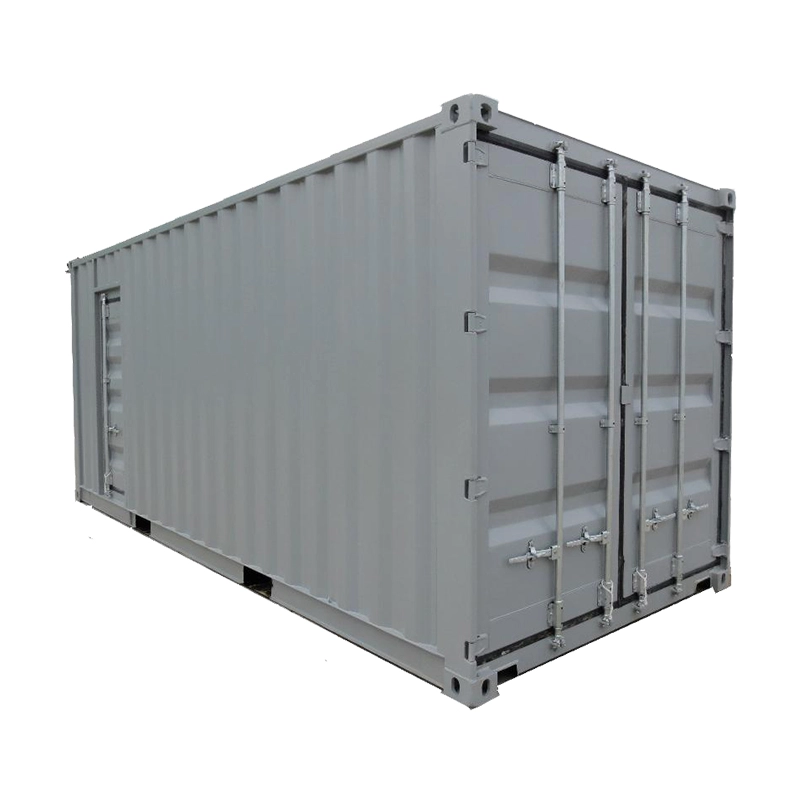
SHENZHEN, November 10, 2026 - A transport-focused SOC container shipping option is available for shippers planning movements from China to Canada. The service coordinates shipper-owned or shipper-leased equipment, China origin pickup, export documentation, ocean booking and Canadian inland transport planning where included. Because shipping requests may use both DDU and DAP wording, the named Canadian place and the responsibility split must be confirmed in the quotation. Canadian import customs clearance, duties, taxes, unloading, procurement and cargo inspection are outside the standard service.
Why DDU and DAP Wording Must Be Separated
DDU is an older commercial expression that remains familiar in some shipping requests, while DAP is the current delivery term normally used for delivery to a named place without the seller taking on import clearance, import duties, taxes or unloading. A route-specific quotation should therefore use the named place and written responsibilities rather than treating DDU as a synonym for DDP.
China Origin Coordination Comes Before the Ocean Booking
A workable SOC shipment requires the China pickup location, cargo readiness, equipment details, gross weight, shipping instructions and export documentation. The forwarding team coordinates origin trucking and terminal delivery around the confirmed cut-off. The shipper or its appointed loading party remains responsible for packing, loading, securing and weight distribution.
Canada Destination Planning Is Address-Specific
The Canadian port, gateway, destination city or named DAP place should be supplied before quotation. Inland transport may be arranged by truck, rail or a combined solution when included. The quotation should also identify who will handle import clearance, duties, taxes, permits, inspections and unloading. Transit time and destination charges depend on the actual route and delivery address.
DAP Does Not Mean DDP
Under a DAP-style arrangement, the buyer or importer normally handles Canadian import clearance, duties, taxes and unloading. The use of DDU in a request does not create a DDP obligation and does not automatically include customs clearance or duty payment. Any additional destination service must be assigned in writing to a responsible party before booking.
A Clear Freight-Forwarding Role
The service focuses on moving and coordinating SOC container from China to Canada. It does not extend to purchasing products, selecting suppliers, inspecting cargo, verifying factory quality, testing goods, loading, unloading, securing cargo, selling containers or arranging container buy-back. Keeping the scope limited to transportation makes the commercial term and quotation easier to review.
RFQ: Information to Submit Before Quotation
An RFQ should include the SOC container number or equipment details, China pickup location, cargo description, dimensions if relevant, gross weight, preferred shipping window, Canadian port or gateway, named DAP place or final delivery address, inland transport scope and the party responsible for Canadian import clearance, duties, taxes and unloading. These details allow the forwarding team to state the applicable term, route, included services and exclusions accurately.
Conclusion
For shippers controlling their own container equipment, SOC transport from China to Canada can be organized with a clearly written DAP-style delivery plan. Complete equipment data, a defined Canadian named place, a realistic shipping window and separate responsibility for import clearance, duties, taxes and unloading provide the foundation for a route-specific quotation.