- Browse Categories
- Sea Freight
- Air Freight
- Railway Freight
- FBA Amazon
- Express Service
- Warehouse Service
- Trucking Service
- Custom Clearance
- SOC container shipping
- Contact Us
-
TEL:+86-755-25643417
Fax: +86 755 25431456
Address:Room 806, Block B, Rongde Times Square, Henggang Street, Longgang District, Shenzhen, China
Postcode: 518115
E-mail: logistics@swwlogistics.com.cn Contact Now
- Hot products
- Latest NewsMore>>
-
- The Spring Festival is ahead of schedule and port congestion has not disappeared, and freight forwarders are facing a squeeze on their pre-holiday shipping window.
- Attention: Shenzhen trailers are restricted in large areas, and pick-up and return of containers at the port may be delayed.
- SOC Container Shipping from China to Le Havre France
- The ship had not arrived at the port for more than a month after the fire, and the shipowner declared general average, carrying 2,300 containers of cargo.
- Ocean freight may plummet by 30% in 2027, and the container shipping market may usher in a major reversal
- SOC Container Shipping from China to Canada shipping
- Maersk CEO responds to stock price plunge: Freight prices cannot remain high for a long time
- 20GP SOC Container Shipping from Shanghai China to the UK
- U.S. Customs releases new IOR regulations: Customs clearance of Chinese goods becomes more difficult and will be implemented on January 5, 2027
- 40HQ SOC Shipping Agent from Shenzhen to Germany
- Middle East ports are heavily congested, ships cannot wait for berths, and shipping companies are restricting bookings
- Port of Los Angeles-Long Beach strike risk on hold
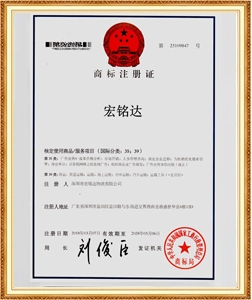
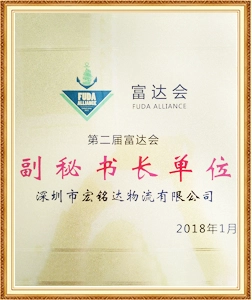
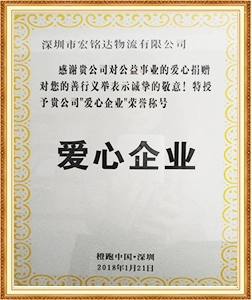
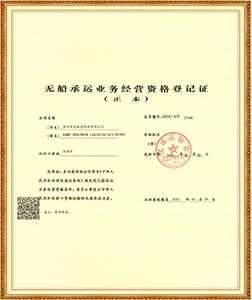
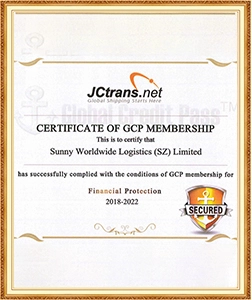
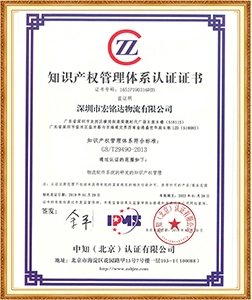
- Certifications
-

- Follow us
- Subscribe
-
Get email updates on new products

China to Qatar Door to Door Air Sea Shipping Service
- Destination:Qatar
- Departure Day:Qatar
- Transit Time (Days):35 Days
- Shipment Type:All Types
- Type:Freight Forwarder Sea Cargo
China to Qatar Door to Door Air Sea Shipping Service
The Short Answer
Qatar has one container gateway, a short inland leg and a very small road network, so the sea passage is rarely what goes wrong. The delivery address is. DDP and DDU produce almost the same landed cost here, because the border charges five per cent duty and nothing else, and the difference between the two terms sits in the last few kilometres: whether a trailer can reach the door, whether anyone on site can take the pallets off it, and whether the person holding the pen may receive goods on behalf of the licensed importer.
What a Booking Covers
A door-to-door booking is one span of responsibility that begins at your supplier's loading bay and ends at a named address inside Qatar, and the list of tasks inside that span does not change with the term you pick.
Collection, export declaration, booking and sailing, the arrival at Hamad Port, the import entry, the duty, the release, the truck to the site and the handover against a signature all belong to the same file. Choose DDP and the invoice closes when the goods are standing where the buyer asked for them. Choose DDU and the file closes earlier, at the point where the consignee's own clearing agent takes the documents.
Because the duty is small and there is no recoverable tax sitting behind it, the money rarely decides which term a buyer wants. The site decides.
Where the Terms Split: Three Assumptions About the Door
Both quotes describe the same movement and quietly assume different things about the building at the end of it.
Can a forty-foot trailer physically arrive?
A forty-foot container needs a turning circle, a gate wide enough for the box, and overhead clearance once a trailer tips. Inner-city retail streets, compounds behind low walls and older warehouses with a single sliding gate routinely fail one of those tests. Under DDP the arrival is our problem, so the address is checked before the price is issued. Under DDU the buyer discovers it when the truck is at the barrier.
Who takes the goods off the vehicle?
Customs releases a container, not a stack of cartons. Somewhere between the trailer and the shelf, a forklift or a dock leveller has to do the work, and many Qatari consignees run a store with a pallet truck and two staff. A DDP price we quote includes the unloading arrangement; a DDU price assumes the consignee has it, which is where a cheap quotation becomes an expensive afternoon.
Who is allowed to sign for them?
The person who accepts the goods is not always the person on the customs entry. If the consignee of record is the licensed importer and the signature comes from a storekeeper at a different legal entity, the chain of possession has a hole in it. DDP narrows that gap by making one party responsible from entry to doorstep; DDU leaves the join for the buyer to manage.
Three Distance Bands from Hamad Port
Qatar is roughly 11,600 square kilometres, and Hamad Port sits at Umm Al-Houl about forty kilometres south of central Doha. Almost every delivery falls into one of three bands, and each band fails in a different way.
The industrial belt at the gate
Mesaieed Industrial City and the free zone land around Umm Al-Houl are minutes from the berth. Distance is not the issue; gate procedure is. Industrial sites control entry, issue passes and keep their own hours, so the truck has to be booked in rather than simply arriving.
The forty kilometres into Doha
Central Doha, the inner districts, Al Wakrah and the airport corridor form the band where most consumer and project cargo ends up. It is short and unpredictable: daylight restrictions, congestion around the suq and Corniche, buildings with no yard and deliveries that must be hand-balled through a shopfront.
The northern and western reach
Al Khor, Ras Laffan and the industrial perimeter to the north, Dukhan on the west coast, and the far north near Al Ruwais run to two hours or more one way. Here the inland leg can cost what the sea leg cost, and a delivery appointment window matters more than the sailing date.
What the Border Charges
Duty is five per cent of the CIF value for most goods under the GCC tariff, with tobacco and a short list of exceptions rated higher, and import exemptions appear from time to time for food and medical goods.
There is no VAT in Qatar at present. The GCC framework agreement was signed in 2017 and a five per cent rate is expected whenever the law is enacted, but no such charge exists at the counter today, which is why a Qatari entry produces one tax line and a short file.
There is, however, excise, and it is the part exporters overlook. Since January 2019 Qatar has levied excise at import on tobacco products at 100 per cent, carbonated drinks at 50 per cent, energy drinks at 100 per cent and special purpose goods, understood to include alcohol and pork, at 100 per cent. Excise is assessed on a defined base rather than on the whole container, so a mixed shipment produces a duty line that is not uniform across the invoice, and it is not recoverable.
Above the charges sit product rules. The consignee must hold a valid Qatari import licence; regulated categories need approval from the responsible ministry before release; and labels must carry Arabic. A file can clear the duty question and still stop on the label.
Why Shippers Route Qatari Cargo Through Us
Sunny Worldwide Logistics (SZ) Limited has booked freight since 1998 and works from Shenzhen as a full-service forwarder with a trucking arm that moves containers to the terminal itself. The Chinese leg and the Qatari leg are quoted by the same desk, so the delivery address is captured at booking instead of being discovered at release.
That matters here because a wrong address in Qatar is not a longer drive, it is a different job. A consignee on a Doha side street and a consignee inside a gated industrial city need different vehicles, different entry paperwork and different notice, and the difference is settled by a question asked before the container sails.
Cargo We Move into Qatar
- Building materials, sanitary ware and fit-out hardware for projects
- Electrical components, switchgear, cables and lighting
- Industrial spares, pumps, valves and oilfield consumables
- Consumer electronics, mobile accessories and small appliances
- Furniture, soft furnishings and hotel supplies
- Retail replenishment, promotional stock and e-commerce parcels
- Foodservice equipment and non-perishable packaged foods
What We Need Before Booking
- Commercial invoice with a plain description and HS code per line
- Packing list showing cartons, weights, dimensions and pallet count
- The CIF value you expect to declare, and the incoterm behind it
- The consignee's Qatari import licence details
- Whether any line is an excise good, and whether it is already rated
- Arabic label artwork or confirmation that labelling is done locally
- Photographs or a description of the delivery point: gate width, yard, dock or kerbside
- Whether unloading equipment is on site, and who operates it
- The name and authority of the person who will sign
About the Company Filing Your Qatari Entry
Founded in 1998, Sunny Worldwide Logistics (SZ) Limited operates as a full-service domestic and international forwarder out of China, holding a 1,800 square metre Class A office in Shenzhen and running its own trucking company at the sea port.
Samira Chen / Sunny Worldwide Logistics (SZ) Limited / 8/F, Block B, Rongde Times Square, Henggang Street, Longgang District, Shenzhen, China / phone and WhatsApp +86 13428330724 / Trade Manager cn220161160 / sales38@swwlogistics.com.cn
Questions Importers Ask About Qatari DDP
Q: Which port will my container arrive at?
A: Hamad Port at Umm Al-Houl, about forty kilometres south of central Doha, is where container vessels call. The old Doha port on the Corniche has been reworked into the Mina district with a cruise terminal, and Ruwais in the north handles small volumes only.
Q: What does DDP give us at the door that DDU does not?
A: The unloading arrangement and the appointment. On DDP we agree who provides the forklift or the ramp, book the site in, and carry the cost of a failed attempt; on DDU those three sit with the consignee from the moment the container is released.
Q: Do we pay VAT on arrival?
A: No. Qatar has not enacted VAT, although a five per cent rate is expected under the GCC framework. The entry carries duty, and it carries excise if the goods fall into one of the excise categories.
Q: How do we know if our product is an excise good?
A: By tariff line and product type rather than by brand. Tobacco, carbonated drinks, energy drinks, and alcohol or pork items are the categories, and a product that looks ordinary can still fall inside one of them, so the check happens at quotation.
Q: Our street is narrow. Can you still deliver?
A: Usually, by changing the equipment rather than the route: a twenty-foot container, a smaller rigid truck after transloading at a yard, or a tail-lift vehicle for hand-balling. Tell us the constraint when you book, not when the driver calls.
Q: How long does it take?
A: Roughly 24 to 32 days by sea including the inland delivery, and 5 to 8 days by air. Vessel rotation into Hamad Port sets the sea figure, and the delivery band sets the last day of it.
Get a DDP or DDU Figure for Qatar
Send the invoice lines with HS codes, the value you expect to declare, and a description of where the goods have to end up. The address is worth more to the quotation than any other single detail, because it decides the vehicle, the equipment and the appointment.
Write to Samira Chen at sales38@swwlogistics.com.cn with the site details, or call +86 13428330724 and describe the gate.
Tel:+8613534256934
Wechat:13534256934
Contact Person:Samira

- Other Products