





United States: Reduce tariffs to zero
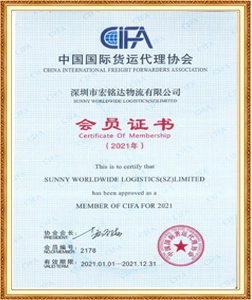
Sunny Worldwide LogisticsIt is a logistics company with more than 20 years of transportation experience, focusing on markets such as Europe, the United States, Canada, Australia, and Southeast Asia. It is more of a cargo owner than a cargo owner~
On October 26, the United States signed a series of agreements on trade and critical minerals with four Southeast Asian countries. Trump signed reciprocal trade agreements with the leaders of Malaysia and Cambodia, and signed a framework trade agreement with Thailand. Both parties will work to resolve tariffs and non-tariff barriers.
A joint statement issued by the White House stated that under these agreements, the United States will maintain a 19% tariff rate on exports from the above three countries and imposeSome goods are gradually reduced to zero tariffs. Washington also announced a similar framework agreement with Vietnam; Vietnam’s exports to the United States currently apply a 20% tariff rate.
Vietnam's trade surplus with the United States reached US3 billion last year, and it has pledged to significantly increase its purchases of American products to narrow the trade gap between the two sides.
On Sunday, Trump also signed two U.S. agreements with Thailand and Malaysia, seeking cooperation on diversifying supply chains for critical minerals.
Before the signing of these agreements, Trump witnessed the signing of an enhanced ceasefire agreement between Thailand and Cambodia. The two countries were involved in deadly border clashes earlier this year.
Under the agreements, the four Southeast Asian countries committed to removing trade barriers and providing preferential market access for a variety of U.S. products. The agreement also includes commitments on digital trade, services and investment, as well as guarantees by Southeast Asian countries on protecting labor rights and strengthening environmental protection.
Thailand, Malaysia and Vietnam also agreed to accept vehicles that meet U.S. motor vehicle safety and emissions standards into their markets, the statement said.
In addition, Malaysia agreed to simplify relevant requirements for products such as U.S. cosmetics and pharmaceuticals. Malaysia has also secured tariff exemptions for aerospace equipment and pharmaceutical products, as well as commodities such as palm oil, cocoa and rubber, said Trade and Industry Minister Tengku Zafrul Zafrul.
Thailand said it would remove tariff barriers on about 99% of its goods and relax U.S. foreign ownership restrictions in its telecommunications industry. The two sides also noted that some Thai and American companies are about to conclude commercial deals, including the purchase of feed corn and soybean meal worth approximately US.6 billion per year.
Thailand has also committed to purchasing 80 U.S. aircraft for a total of US.8 billion and purchasing approximately US.4 billion in energy products annually, including liquefied natural gas and crude oil, the statement said.