











U.S. Customs has tightened its 5H inspections across the board, thousands of Chinese containers have been detained, and the risk of return shipments has increased sharply.
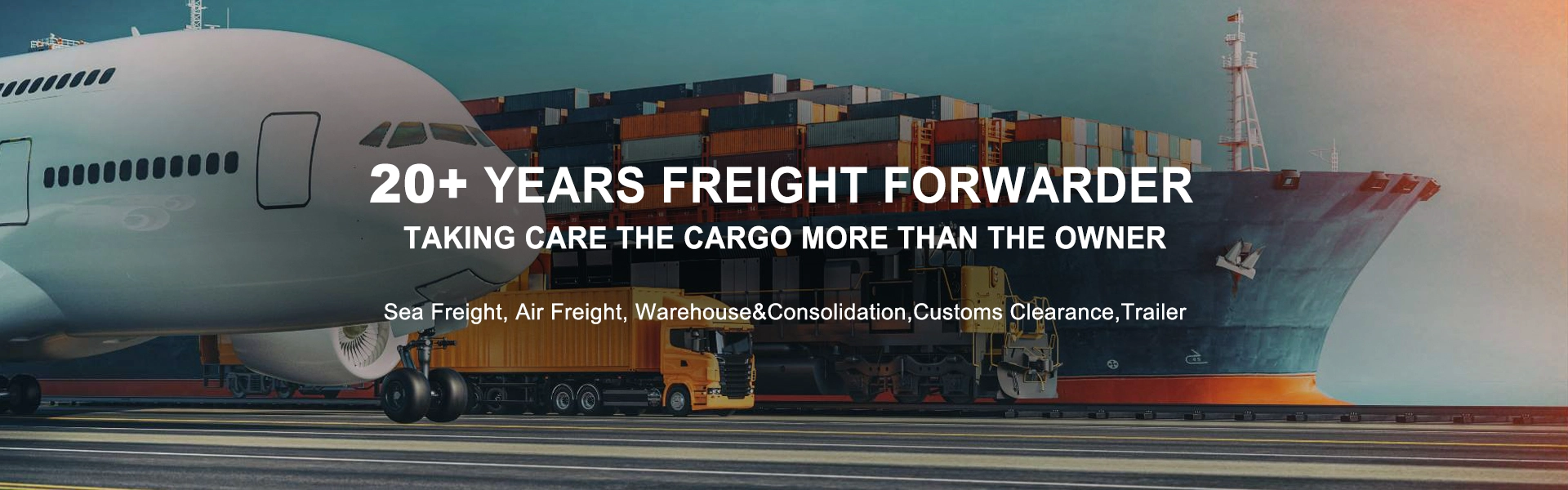
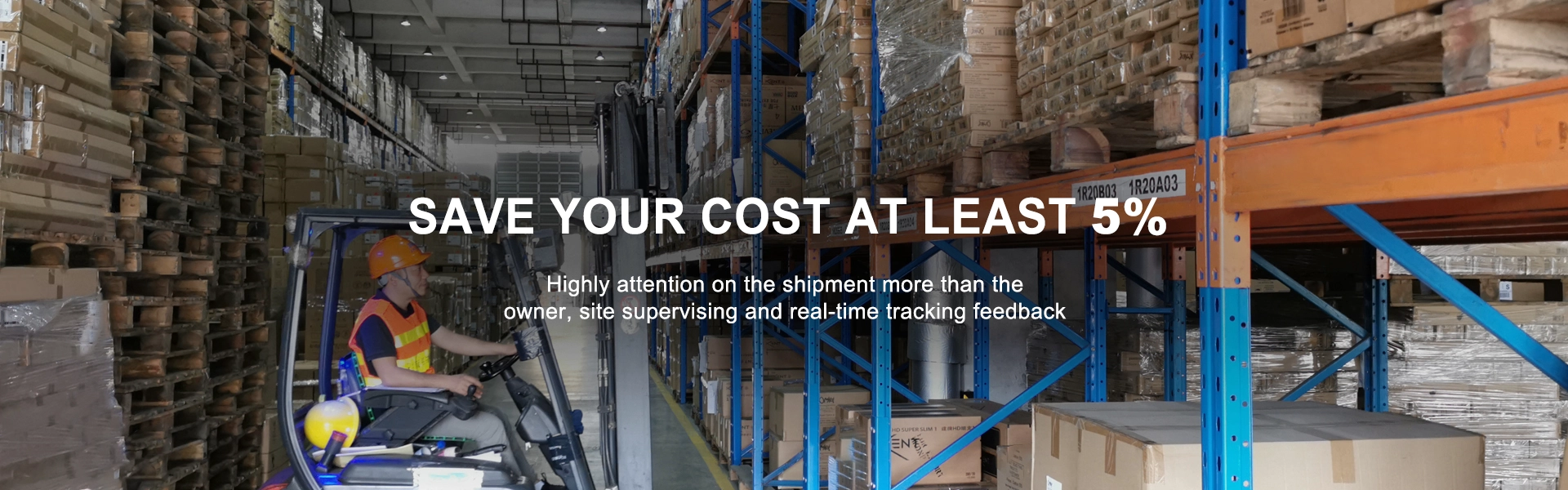
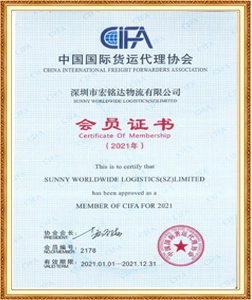
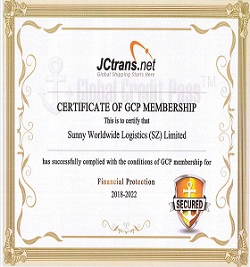
Sunny Worldwide LogisticsIt is a logistics company with more than 20 years of transportation experience, focusing on markets such as Europe, the United States, Canada, Australia, and Southeast Asia. It is more of a cargo owner than a cargo owner~

While the situation in the Middle East continues to disrupt the global supply chain, the U.S. import regulatory front has also suddenly tightened.
Recently, the U.S. Customs and Border Protection (CBP)A special inspection operation code-named "5H" was launched for imported goods. The inspection rate of the Port of Los Angeles and the Port of Long Beach surged to more than 30%, nearly three times compared with the normal level.
According to industry insiders, thousands of containers from China have been detained due to issues with declaration documents, and some goods are facing forced return. The cross-border e-commerce and foreign trade industries are experiencing a new round of compliance impacts.
Once caught, the losses will be far greater than expected
For cargo owners, the losses caused by 5H inspection go far beyond cargo delays.After a container is marked as detained, port storage fees, container detention fees, inspection operation fees and agency service fees will accumulate on a daily basis, ranging from hundreds to thousands of dollars per day. If it is just a document review, it usually takes 1 to 3 working days; once it is transferred to unpacking inspection, the cycle may be extended to a week or even longer.
Some sellers reported thatA batch of goods worth more than 200,000 yuan was stranded at the port for a week due to inspection. After adding various expenses, it almost swallowed up all the profits and eventually turned into a "negative equity".For cross-border e-commerce sellers, logistics delays may also lead to out-of-stocks, declining sales and even reduced store weight. Such hidden losses are often more serious.
What is even more alarming is that once the customs determines that there is a malicious false declaration, the relevant importer's account may be marked as a high-risk object, and every shipment of goods in the future will face more stringent inspection. The 5H inspection usually does not publicly notify the cargo owner. Sellers need to check the status of the container through the freight forwarder, customs clearance agency or system inquiry. If not detected in time, demurrage charges can quickly accumulate.
The two types of operations are most likely to "step on thunder"
Judging from the current situation of detained containers, the industry generally believes that the following two operations are most likely to trigger 5H inspections.
The first category is low quoted value.Some freight forwarders use "low-price customs clearance" and "tax-included inspection" as their selling points to attract goods, and deliberately lower the value of goods during the customs declaration process to reduce tariff costs. However, the U.S. Customs ACE system already has the ability to compare historical transaction data with market prices. Once the declared price significantly deviates from the normal level, the system will automatically mark it as an abnormality. Once it is determined that the goods were under-declared maliciously, the goods will usually be returned directly, leaving little room for negotiation.
The second category is "borrowing Bond to clear customs".In the cross-border logistics industry, some freight forwarders borrow other people's Bond guarantee qualifications to clear customs with different cargo owners sharing the same importer's header. This kind of operation is more common under the "double clearing tax package" model, but it is illegal under the US legal framework. According to relevant US regulations, the subject responsible for customs clearance must be the actual importer. Starting from March 1, 2026, the U.S. Customs has clearly strengthened its enforcement of "Bond customs clearance". Once verified, the goods will be refused entry and high return shipping fees will be incurred.
In addition, vague declarations of product names, inconsistent documentary information, no customs clearance records for new importers, incomplete qualifications for sensitive commodities, or mixed packaging of infringing products will also be listed as high-risk objects by the system.
5H inspection upgrade: review documents first, then inspect physical objects
The core of this operation is the so-called "5H inspection".
5H stands for "Entry Processing HOLD", is a formal detention order issued by U.S. Customs in the declaration system. Once a container is marked as 5H, the system will immediately freeze the pickup, transshipment and other operations of the cargo, and related port fees will also begin to accumulate.
Different from traditional unboxing inspection, the characteristics of 5H mode are“Check the documents first, then check the physical objects”. The customs first conducts multiple rounds of cross-examination on the commercial invoices, packing lists, manifest information, importer qualifications and other documents submitted by the enterprise. Only goods that are fully compliant with document review will be released. Once abnormalities are found, they will be transferred to the unpacking inspection process, and measures such as tax repayment, destruction or return will be taken based on the investigation results.
According to industry insiders, this special operation was led by the newly formed rapid document review team of the US Customs. Enforcement standards were significantly tightened and the depth of the review was far greater than before. Scope of reviewIt has been extended from a single customs declaration document to the entire trade chain - including domestic production enterprises' purchase contracts, transportation documents, U.S. importer qualifications, terminal sales records and other information, which may be included in the scope of verification.
In terms of specific operations, the customs willFocus on checking whether the description of the product name is accurate, whether the declared value of the goods is consistent with the market price, whether the information on the consignee and the importer is true and consistent, and whether the Bond guarantee qualification is valid.If there are obvious contradictions between documents or data anomalies, the system will directly trigger a risk warning. At present, China’s popular export categories such as furniture, electronic products, clothing and outdoor products have been included in the scope of key inspections.
The industry faces a compliance reshuffle
Industry analysts believe that this strict investigation by the United States is not a temporary measure, but a systematic rectification of long-standing trade compliance issues. As supervision continues to escalate, the compliance threshold for U.S.-based cross-border logistics is rapidly increasing.
It is worth noting that the tariff retroactive period has also been extended simultaneously. According to the latest policy, U.S. Customs can initiate retroactive inspections of goods suspected of false declarations within 5 years of entry. This means that even if the goods have been successfully cleared through customs, they may still face additional taxes, fines or even criminal liability in the future.
The industry generally predicts that the first quarter of 2026 may become an important "shuffle period" for the US logistics industry, and those logistics models that rely on gray operations will face greater pressure to survive. For cross-border sellers, establishing a true and compliant trade chain and standardizing the declaration process may become the basic prerequisite for entering the US market in the future.
Shippers and freight forwarders must prepare in advance
In the face of the continued escalation of supervision by U.S. Customs, relevant cargo owners and freight forwarding companies must attach great importance to it. It is recommended to sort out the declaration process for existing export goods in a timely manner to ensure that the product name, value, and consignee and consignee information are true and accurate. For goods involving sensitive categories, purchase contracts, transportation documents and other documents for reference should be prepared in advance. When selecting cooperation partners, priority should be given to customs clearance agencies and freight forwarders with complete qualifications and standardized operations to avoid hidden dangers caused by gray operations such as "borrowing bond to clear customs".
For shipped goods, you need to pay close attention to the status of the container. Once you find that it is marked for 5H inspection, you should communicate with the customs clearance agency in a timely manner and cooperate to provide the required documents to shorten the inspection cycle as much as possible. At the same time, it should be clearly stipulated in the trade contract who will bear the additional costs caused by the inspection to avoid subsequent disputes.