
























The war in the Middle East has spread to Southeast Asia, with congestion in Singapore and Tanjung Pelepas ports increasing, and shipping delays of up to 7 days.
Sunny Worldwide LogisticsIt is a logistics company with more than 20 years of transportation experience, focusing on markets such as Europe, the United States, Canada, Australia, and Southeast Asia. It is more of a cargo owner than a cargo owner~

Tensions in the Strait of Hormuz continue to simmer, and its shock waves have been rapidly transmitted to key transshipment hubs in Southeast Asia thousands of kilometers away. The latest industry data shows that due to the large-scale suspension of routes in the Middle East and the diversion of ships, the operating pressure of the Port of Singapore and the Port of Tanjung Pelepas in Malaysia has increased sharply, and the yard utilization rate has soared to 90%, almost reaching saturation.
Due to the suspension of Persian Gulf route services by many shipping companies, a large number of container cargo originally planned to be shipped to the Middle East was forced to be temporarily transferred to Singapore and Tanjung Pelepas Port for rescheduling or stranded waiting. This directly leads to tight processing capacity of the two major ports, and ship berthing delays generally extend to 5 to 7 days.
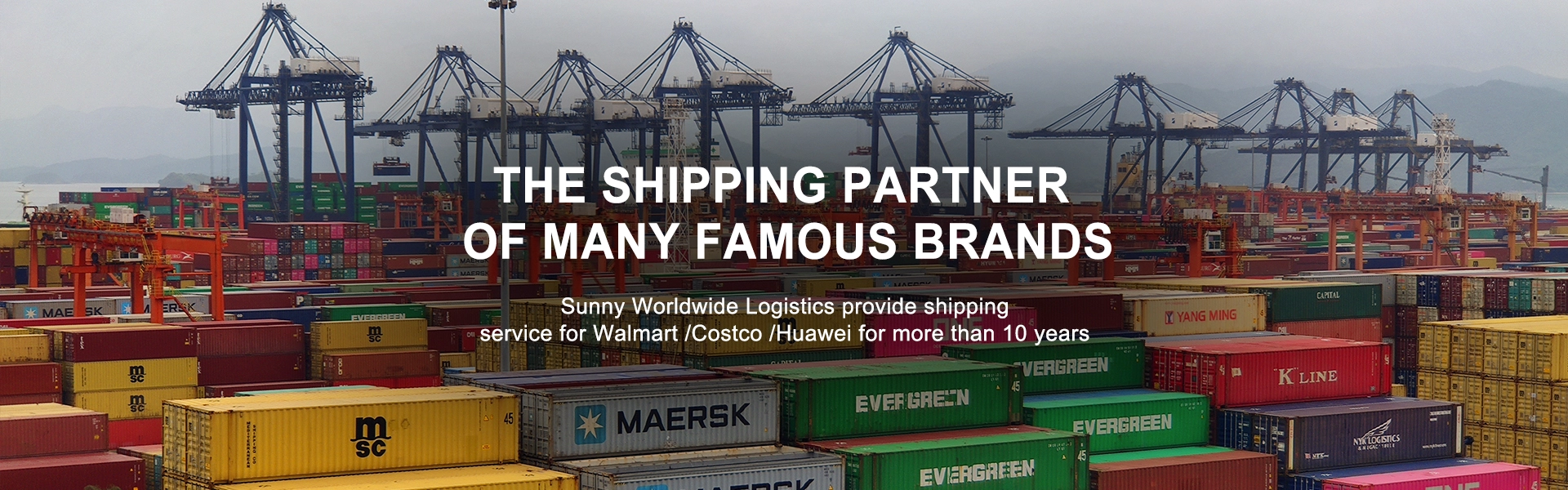
It is understood that there were once hundreds of ships queuing up outside the Singapore Port, posing a significant challenge to the port's operating efficiency.
Faced with the continued influx of transshipment cargo and the pressure on storage yards, the Malaysian Ministry of Transport has taken emergency response measures. Transport Minister Anthony Loke Siu-fu has clearly requested domestic ports to speed up the clearance of empty containers stranded at ports, and strictly prohibits carriers from unloading containers with unknown destinations to Malaysian ports to prevent yard pressure from getting further out of control and avoid a recurrence of past supply chain disruption crises caused by regional conflicts.
Data from supply chain visualization platform project44 shows that since the conflict escalated in late February, the number of global container shipping diversions has surged by more than 360%. During the peak period on March 5, the record of rerouted goods in a single day was as high as 2,363 batches, a record high. A large amount of cargo that should have entered the Persian Gulf is being redistributed to the Port of Fujairah in the United Arab Emirates, the Port of Sohar in Oman, and ports in India and Sri Lanka.
A high degree of ripple effects on the shipping network are emerging: risks in key waterways have directly triggered large-scale detours of ships, congestion at core transit ports, and reduced capacity turnover efficiency. The shock wave has even spread to the Indian subcontinent.
Data show that due to the large-scale reconstruction of shipping schedules, ship departure delays at Mundra Port in India have increased by 72%, equivalent to an average delay of about 11 days. This has undoubtedly added new variables to the already tight Asian supply chain.
Analysts point out that the current situation is different from previous Red Sea crises in that the lack of viable alternative routes in the Strait of Hormuz means that service disruptions to major Persian Gulf ports are likely to last longer. With the continued influx of rerouted cargo, transshipment hubs in Southeast Asia and South Asia are facing severe challenges. It is expected that problems such as port congestion, container detention time and shipping schedule disruptions may further intensify in the coming weeks.
For cargo owners and freight forwarding companies, it is currently necessary to pay close attention to the operating dynamics of major transshipment ports in Southeast Asia and the latest route adjustment plans of shipping companies, reasonably evaluate transportation timeliness, and make shipment arrangements and emergency plans in advance to cope with the ongoing supply chain chain reaction.