



























What are the advantages and disadvantages of FBA transit storage?
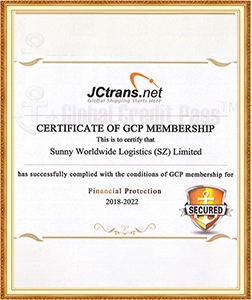
Sunny Worldwide LogisticsIt is a logistics company with more than 20 years of transportation experience, focusing on markets such as Europe, the United States, Canada, Australia, and Southeast Asia. It is more of a cargo owner than a cargo owner~

FBA (Fulfillment by Amazon) is a global logistics solution provided by Amazon, designed to help sellers deliver goods to customers more conveniently.
Among them, FBA transit temporary storage is a part of FBA service, which means that the goods purchased from suppliers are first stored in the transit warehouse, waiting to be packaged and sent to various countries to achieve global distribution.
What are the advantages and disadvantages of FBA transit temporary storage compared with other logistics models?
Comparison between FBA transit temporary storage and direct shipping
After purchasing the goods, the seller can choose to ship the goods directly or store the goods in the FBA transit temporary warehouse. Direct shipping means sending the goods directly from the supplier to the customer after confirming the order. The advantage of this method is that it does not require a transit warehouse and saves storage, operation and other costs. The disadvantage is that it is not conducive to unified delivery and inventory coordination. Especially when there are many orders and the inventory is widely distributed, it is difficult to achieve effective logistics management.
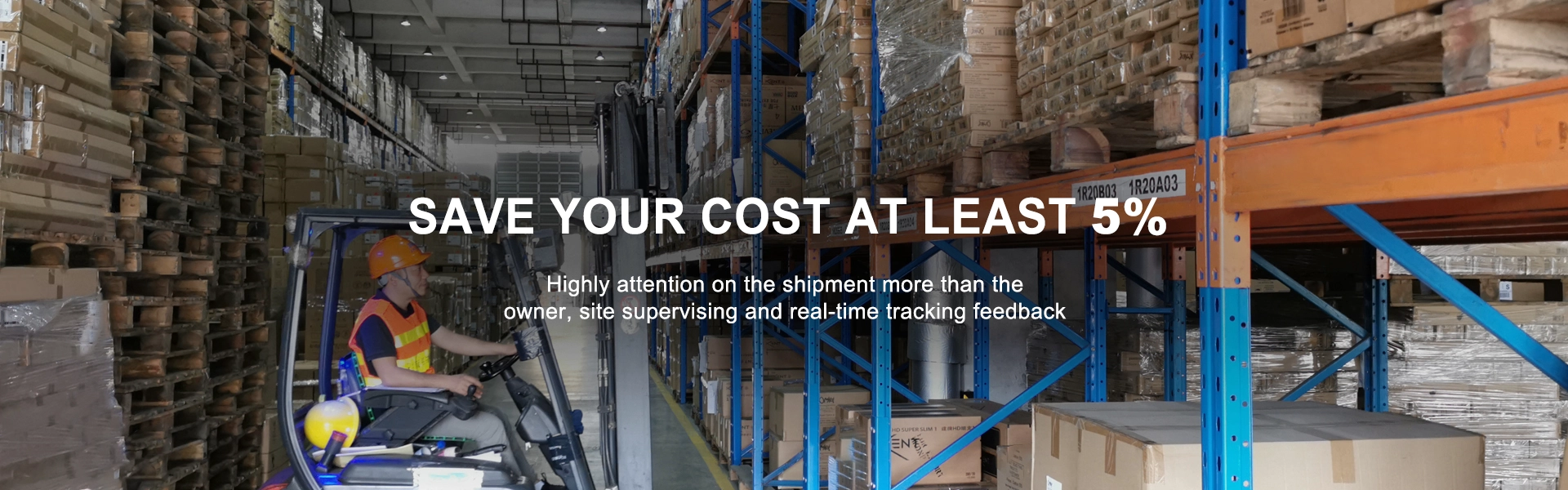
FBA transit temporary storage can solve these problems very well. Since purchased goods are stored in a unified transit warehouse, sellers can more accurately count inventory and plan shipments, reduce inventory backlogs, avoid shortages, and improve the accuracy and speed of shipments.
Comparison between FBA transit temporary storage and self-owned warehouse
For some larger sellers, they may choose to build their own warehouses to store their goods. Compared with FBA transit temporary storage, the advantage of self-owned warehouses is that they can better control inventory, logistics and other aspects of management, and can flexibly adjust delivery time, control delivery speed, and improve logistics efficiency. At the same time, self-owned warehouses also make it easier for sellers to promote their brands and achieve brand building.
However, there are also some problems with self-built warehouses. First of all, self-owned warehouses need to bear a series of expenses such as leasing, decoration, and personnel management. Secondly, self-built warehouses require sellers to be responsible for logistics management, which requires investing more time and energy. FBA transit and temporary storage can avoid these problems. Amazon is responsible for warehouse and logistics management, and sellers only need to be responsible for the purchase and delivery of goods, which greatly reduces operating costs and management difficulty.
Comparison between FBA transit temporary storage and third-party logistics
Advantages of FBA transit storage
It can save logistics costs. The logistics cost of FBA transit and temporary storage is relatively low, because the logistics company only needs to be responsible for transporting the goods from China to the warehouse in the destination country, without the need for last-mile delivery, so it is relatively cheap.
Improve logistics speed FBA transit temporary storage can effectively improve logistics speed because it uses the resources of Amazon's overseas warehouses to achieve fast warehousing and fast delivery. At the same time, Amazon's logistics system is also very complete, which can ensure the safety and on-time delivery of goods.
Can provide better after-sales service. Since FBA transit and temporary storage is Amazon's self-operated logistics, it can provide better after-sales services, such as returns and exchanges, etc., and Amazon's customer service team is very professional and can provide customers with timely and effective after-sales support.
Advantages of third-party logistics
Logistics services can be flexibly customized. Third-party logistics can provide customized logistics services according to the specific needs of customers, including warehousing, packaging, distribution and other links. Customers can choose appropriate logistics services based on their actual situation and needs, thereby improving operational efficiency and reducing costs.
A wider logistics network can be provided. Third-party logistics usually have a wider logistics network and can cover more countries and regions, thereby expanding sales channels. At the same time, third-party logistics can also provide more logistics options, such as air transportation, sea transportation, land transportation, etc., to meet the different needs of different customers.
Can provide better price competitiveness. Since third-party logistics companies usually have more customers, they can obtain better logistics prices and thus provide more competitive logistics services. At the same time, since third-party logistics companies usually have richer logistics experience and technology, they can provide better logistics services.
Summary
Taken together, FBA transit and temporary storage and third-party logistics each have their own advantages and disadvantages. Which logistics model to choose depends on a comprehensive comparison based on your actual situation and needs.