












- Browse Categories
- Sea Freight
- Air Freight
- Railway Freight
- FBA Amazon
- Express Service
- Warehouse Service
- Trucking Service
- Custom Clearance
- SOC container shipping
- Contact Us
-
TEL:+86-755-25643417
Fax: +86 755 25431456
Address:Room 806, Block B, Rongde Times Square, Henggang Street, Longgang District, Shenzhen, China
Postcode: 518115
E-mail: logistics@swwlogistics.com.cn Contact Now
- Hot products

- Latest NewsMore>>
-
- The West, West and East hit new lows, why did the European line rise against the trend?
- Shipping companies cannot refuse to dump cargo at will, new US FMC regulations are here
- The Spring Festival is ahead of schedule and port congestion has not disappeared, and freight forwarders are facing a squeeze on their pre-holiday shipping window.
- Attention: Shenzhen trailers are restricted in large areas, and pick-up and return of containers at the port may be delayed.
- SOC Container Shipping from China to Le Havre France
- The ship had not arrived at the port for more than a month after the fire, and the shipowner declared general average, carrying 2,300 containers of cargo.
- Ocean freight may plummet by 30% in 2027, and the container shipping market may usher in a major reversal
- SOC Container Shipping from China to Canada shipping
- Maersk CEO responds to stock price plunge: Freight prices cannot remain high for a long time
- 20GP SOC Container Shipping from Shanghai China to the UK
- U.S. Customs releases new IOR regulations: Customs clearance of Chinese goods becomes more difficult and will be implemented on January 5, 2027
- 40HQ SOC Shipping Agent from Shenzhen to Germany
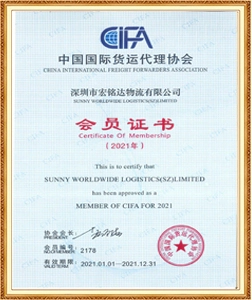
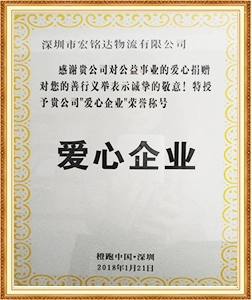
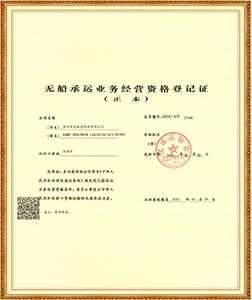
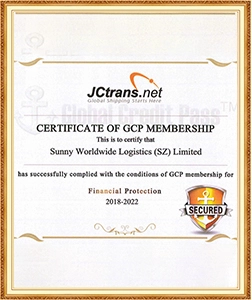
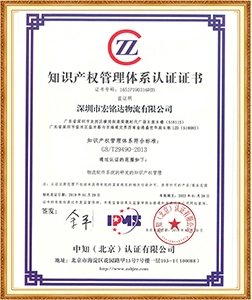
- Certifications
-
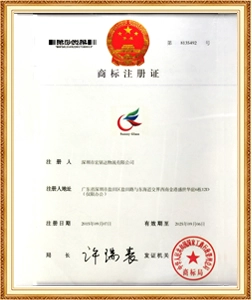
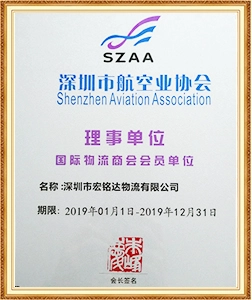
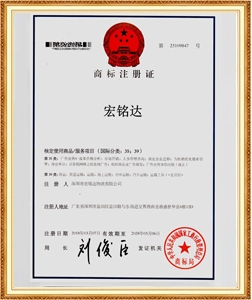
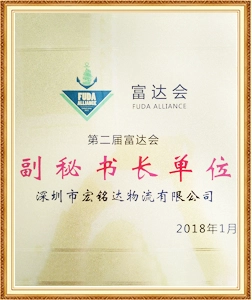

- Follow us
- Subscribe
-
Get email updates on new products

China to Maldives Door to Door Air Sea Shipping Service
- Destination:Maldives
- Departure Day:Maldives
- Transit Time (Days):35 Days
- Shipment Type:All Types
- Type:Freight Forwarder Sea Cargo
China to Maldives Door to Door Air Sea Shipping Service
The Short Answer
The Maldives does not have an import duty rate. It has a tariff in which every line carries its own rate, and those rates run from nothing to well over 200 per cent. In 2025 the applied tariff averaged 11.8 per cent across all lines, but clothing averaged close to zero while transport equipment averaged around 39 per cent and mechanical machinery around 20 per cent. That spread is why two forwarders can quote the same shipment and differ by thousands of dollars, and it is why DDP and DDU here are not really about who pays the duty: they are about who picks the tariff line and who answers for it afterwards.
What a Booking Covers
Every door-to-door arrangement has the same spine: collection at the factory, export declaration in China, the ocean or air movement, the entry lodged through the customs system at Malé, duty and GST, release, and the domestic leg to the island the buyer named.
What changes with the term is where our name comes off the file. Under DDP we appear as the importer, choose the classification, pay duty and GST, and keep custody until the goods are on the island. Under DDU the consignee's own broker lodges the entry at Malé, and our responsibility stops at the point the cargo is handed over on the wharf.
The Tariff Is a Ladder, Not a Rate
A duty rate is a percentage, and people assume a percentage is a modest thing. In this market the percentages are stacked in bands several hundred points apart, so the same consignment can attract almost nothing or more than its own value depending on the line the officer accepts.
The published profile for 2025 shows where the weight sits: three quarters of agricultural lines enter duty-free, non-agricultural lines are split between free, five to ten per cent, and a substantial band at fifteen to twenty-five per cent, and the tail of the distribution climbs past 100 per cent. Averages describe that distribution. They do not describe your container.
Three Classification Decisions That Move the Bill
Classification is not a formality performed after the sailing. It is a decision with a price attached, and three of them come up on almost every Maldivian file.
Is it a finished article or a part?
A finished product and a component of the same product often sit in different chapters, and the bands in those chapters are not neighbours. Industrial spares, for instance, can land closer to a machinery line at twenty per cent than to the finished equipment line above it. The question is not which description sounds better; it is which description the goods actually satisfy under the general rules of interpretation.
What travels in the same carton?
A machine shipped with its accessories, its spare kit and its installation hardware may be three lines or one, and the choice changes both the rate and the paperwork. Bundling can simplify the entry and, on some lines, raise the total. This is a decision to make at packing time, in China, not at the counter in Malé.
How is the value expressed?
Classification fixes the band; the value fixes the amount. A price expressed per set when the invoice also shows a per-piece breakdown, or a tooling charge folded into the unit price, produces an assessable value that differs from the commercial one. The declared value also becomes the base for GST, so an untidy invoice is charged twice for the same ambiguity.
GST Sits on Top of Duty
Maldives charges GST rather than VAT, and the general rate is 8 per cent. Tourism goods and services carry a separate rate of 17 per cent since July 2025, which matters to resort clients on the sales side but not at the border, where the general rate applies to imports.
Registration is required above MVR 1 million of taxable supplies in twelve months, and that threshold rises to MVR 1.5 million on 1 January 2027. A registered importer recovers the GST it pays at clearance through its return. A buyer below the threshold cannot, which is the one point in this market where DDP is straightforwardly cheaper: if the consignee is not registered, the 8 per cent becomes a permanent cost of the goods.
Above duty and GST sits the permit layer. The consignee must be registered with Maldives Customs as an importer, entries are lodged through the national customs system, and categories such as food, pharmaceuticals, chemicals and electrical goods need clearance from the responsible authority before release. A file can be financially correct and still sit on the wharf for a permit.
From Malé to the Island: Who Holds the Goods
Almost nothing in this country moves without changing hands, and the table below is the part of the quotation buyers underestimate.
|
Leg |
Who holds the goods |
What moves with them |
|
Factory to Chinese port |
Carrier or our trucking arm |
Booking confirmation and export declaration |
|
Ocean to Malé |
Ocean carrier, under our bill |
Bill of lading and manifest |
|
Wharf to release |
Port operator and customs |
Import entry, duty and GST receipt, permits |
|
Malé or Thilafushi to the island |
Supply vessel, barge or domestic flight |
Transfer documents and the island's delivery instruction |
|
Jetty to store |
Consignee, or us under DDP |
Signed delivery note |
The container itself rarely completes the journey. Malé Commercial Harbour is the country's main gateway and its capacity is under pressure, which is why port operations are shifting to Thilafushi, where the first phase of the new facility was completed in 2025 and an empty container depot is already running. For most islands the box is stripped at the wharf and the goods continue in a dhoni, a supply vessel or a barge.
Two exceptions are worth knowing. The Sinamalé Bridge, 2.1 kilometres and open since 2018, road-connects Malé with Hulhulé and Hulhumalé, so those addresses take a truck rather than a boat. Everything else is water or air, and a resort jetty has draft, tide and crane limits that a supply captain will not exceed for a container.
Why Shippers Route Maldivian Cargo Through Us
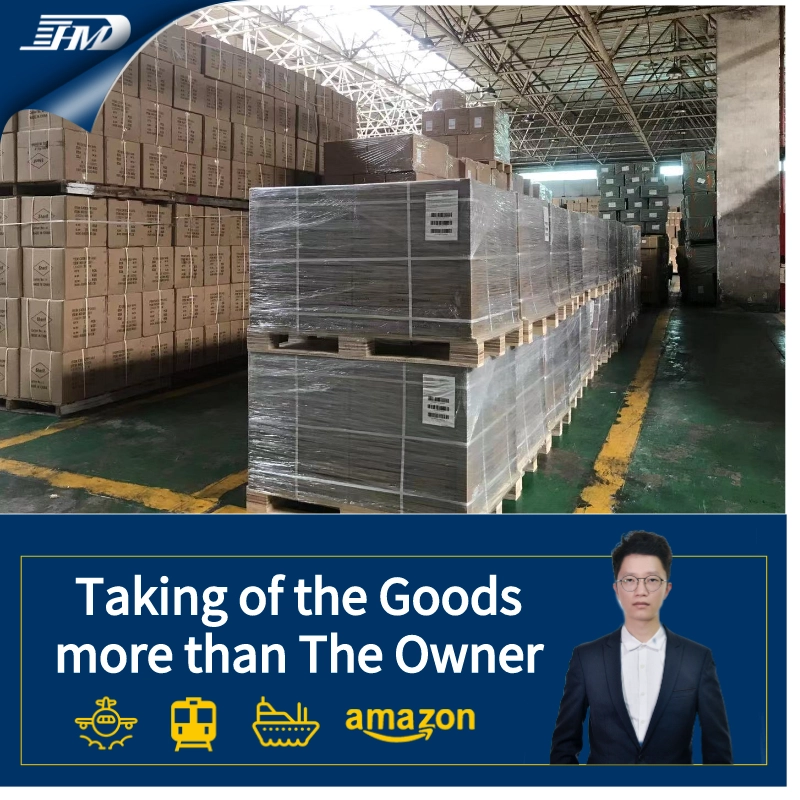
Sunny Worldwide Logistics (SZ) Limited has worked in freight since 1998 and runs from Shenzhen as a full-service forwarder with its own trucking company at the sea port. The same desk that books the sailing builds the entry, which means the classification is settled while the goods are still in the factory rather than argued about at release.
That sequence is worth more in the Maldives than elsewhere, because the tariff rewards precision. A line chosen badly at origin is a cost discovered at the wharf, in a country where the consignee may not be GST-registered, the permit may not exist yet, and the island boat may sail twice a week.
Cargo We Move into the Maldives
- Resort fit-out: furniture, soft furnishings, bathroom ware and lighting
- Kitchen and laundry equipment for hotels and guesthouses
- Building materials, tiles, sanitary ware and hardware
- Solar panels, inverters, cables and switchgear
- Marine spares, outboard parts and dive equipment
- Foodservice consumables and non-perishable packaged foods
- Retail stock, electronics and small appliances for Malé shops
What We Need Before Booking
- Commercial invoice showing every line separately, with HS code and unit price
- Packing list with cartons, weights, dimensions and how the goods are bundled
- Whether any item is a component of a larger machine, and how it will be presented
- The consignee's customs importer registration and GST registration status
- Any permit the category needs, and whether it is already held
- Island name, jetty or harbour, and the vessel service that reaches it
- Maximum weight and dimensions the island transfer can accept
- Whether the consignee collects at the wharf or expects delivery to the store
About the Company Filing Your Maldivian Entry
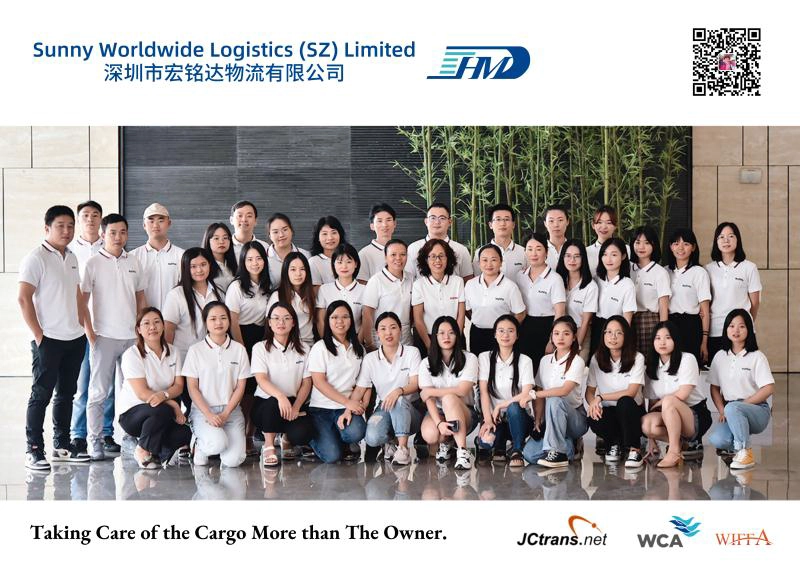
Since 1998 Sunny Worldwide Logistics (SZ) Limited has operated as a full-service domestic and international forwarder based in China, with a 1,800 square metre Class A office in Shenzhen and a trucking operation at the sea port that keeps collection and documentation in one organisation.
Samira Chen / Sunny Worldwide Logistics (SZ) Limited / 8/F, Block B, Rongde Times Square, Henggang Street, Longgang District, Shenzhen, China / phone and WhatsApp +86 13428330724 / Trade Manager cn220161160 / sales38@swwlogistics.com.cn
Questions Importers Ask About Maldivian DDP
Q: Is there VAT in the Maldives?
A: No, the tax is GST. The general rate is 8 per cent and applies at import; tourism goods and services carry 17 per cent since July 2025. Registration is compulsory above MVR 1 million in twelve months, rising to MVR 1.5 million from January 2027.
Q: Why do quotations for the same goods differ so widely?
A: Usually classification. The applied tariff averages 11.8 per cent but individual lines sit anywhere from zero to above 200 per cent, so two brokers reading the same product differently produce two very different bills. The other variable is the island leg, which is priced by the vessel rather than by distance.
Q: Can you deliver to a resort island?
A: Yes, with a change of transport. The container is cleared and stripped at Malé or Thilafushi and the cargo continues by supply vessel, barge or domestic flight. Most resort jetties cannot take a forty-foot container, and some can only be served at certain tides.
Q: Who pays the GST at clearance?
A: Whoever lodges the entry. Under DDP that is us, and it is inside the price you are quoted. Under DDU the consignee pays and recovers it through its own return, which only works if it is registered.
Q: Do our goods need a permit?
A: Some categories do, and the list is wider than most exporters expect: food, medicines, chemicals, electrical items and anything the authorities consider restricted. Permits are issued against the product and the importer, so they have to be in place before the vessel arrives.
Q: How long does it take door to door?
A: Roughly 18 to 26 days by sea to Malé including clearance, and another one to seven days for the island transfer depending on the service. Air freight runs 4 to 7 days to the airport, with the same island leg on top.
Get a DDP or DDU Figure for the Maldives
Send the invoice lines with HS codes, the declared value, and the island the goods have to reach. The classification and the island are the two variables that move a Maldivian quotation, and both can be settled before the container is booked.
Email sales38@swwlogistics.com.cn with the product list, or ring +86 13428330724 and ask for Samira Chen when the file needs explaining rather than typing.
Tel:+8613534256934
Wechat:13534256934
Contact Person:Samira

- Other Products