










- Browse Categories
- Sea Freight
- Air Freight
- Railway Freight
- FBA Amazon
- Express Service
- Warehouse Service
- Trucking Service
- Custom Clearance
- SOC container shipping
- Contact Us
-
TEL:+86-755-25643417
Fax: +86 755 25431456
Address:Room 806, Block B, Rongde Times Square, Henggang Street, Longgang District, Shenzhen, China
Postcode: 518115
E-mail: logistics@swwlogistics.com.cn Contact Now
- Hot products
- Latest NewsMore>>
-
- The West, West and East hit new lows, why did the European line rise against the trend?
- Shipping companies cannot refuse to dump cargo at will, new US FMC regulations are here
- The Spring Festival is ahead of schedule and port congestion has not disappeared, and freight forwarders are facing a squeeze on their pre-holiday shipping window.
- Attention: Shenzhen trailers are restricted in large areas, and pick-up and return of containers at the port may be delayed.
- SOC Container Shipping from China to Le Havre France
- The ship had not arrived at the port for more than a month after the fire, and the shipowner declared general average, carrying 2,300 containers of cargo.
- Ocean freight may plummet by 30% in 2027, and the container shipping market may usher in a major reversal
- SOC Container Shipping from China to Canada shipping
- Maersk CEO responds to stock price plunge: Freight prices cannot remain high for a long time
- 20GP SOC Container Shipping from Shanghai China to the UK
- U.S. Customs releases new IOR regulations: Customs clearance of Chinese goods becomes more difficult and will be implemented on January 5, 2027
- 40HQ SOC Shipping Agent from Shenzhen to Germany
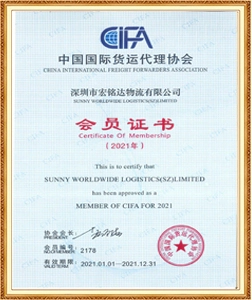
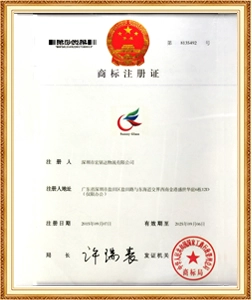
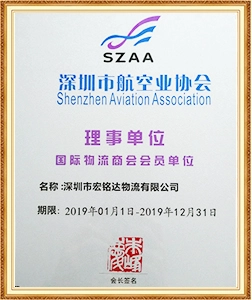
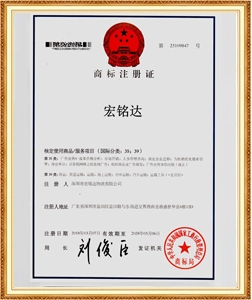
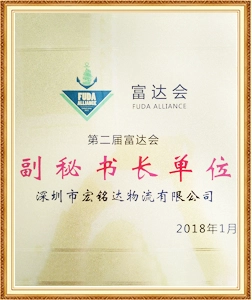
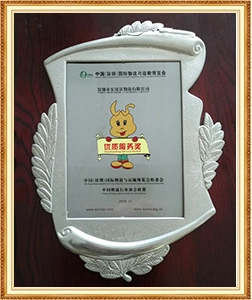
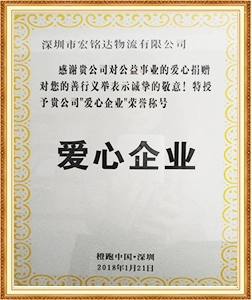
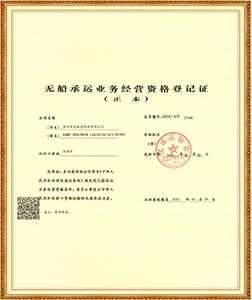
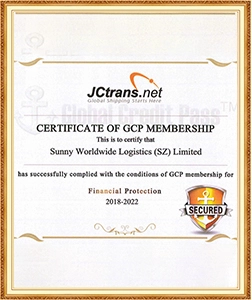
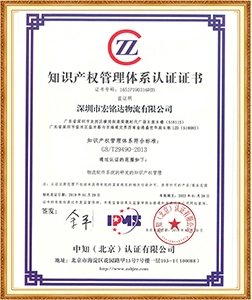
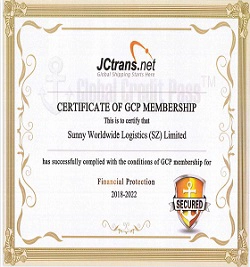
- Certifications
-
- Follow us
- Subscribe
-
Get email updates on new products
China to New Zealand Door to Door Air Sea Shipping Service
- Destination:New Zealand
- Departure Day:New Zealand
- Transit Time (Days):35 Days
- Shipment Type:All Types
- Type:Freight Forwarder Sea Cargo
China to New Zealand Door to Door Air Sea Shipping Service
The Short Answer
A container arriving in New Zealand does not travel from the wharf to the consignee's door in a single movement, because the law does not allow it. Uncleared goods may leave a vessel only for a transitional facility or a biosecurity control area, and they may leave that place only once cleared. Door to door therefore means three linked acts: an entry that declares the container's status correctly, a biosecurity clearance that lifts the port hold, and a facility approved to receive the box. DDP and DDU differ in who takes responsibility for lining those three up, and a mistake in any of them is an offence rather than a delay.
What a Booking Covers
The booking runs from collection at your supplier through export declaration, the ocean or air movement, the New Zealand entry, duty and GST, biosecurity clearance, devanning at an approved facility and the final delivery.
Under DDP we appear as the importer, lodge the entry, obtain the biosecurity clearance, nominate the facility and deliver from it. Under DDU the consignee's broker handles the entry and the clearance, and the goods stop where the facility's responsibility ends, which is usually the facility gate rather than the shop.
The Container Goes to a Facility First
An approved transitional facility, or ATF, is premises MPI has approved to receive containers and risk goods so they can be inspected, treated or held before clearance. Running one is not a matter of renting a shed: the site needs an MPI approved facility operator, and, if it receives sea or air containers, an accredited person who has passed the container biosecurity awareness course and is available to check boxes.
That shapes the whole delivery. A full container can be moved off the wharf to a nominated facility, but only with the hold lifted. A less-than-container load must go to a site that is both a customs controlled area and an approved transitional facility, because it has to be devanned under both regimes at once.
There is a lighter path. Importers who bring in low-risk sea containers and do not want their own facility can join the multi-site transitional facility system, which allows delivery to their own business under conditions. It is worth asking whether a consignee qualifies before pricing a delivery to its yard.
Three Things That Must Exist Before the Wheels Turn
The container status on the entry
Every sea container entry states whether the box is a full container load or an LCL. A full-container entry must account for every item inside the box, for both customs and biosecurity purposes, because the risk assessment is built on that declaration. Declaring the wrong status, or leaving goods out of it, is an offence under the Customs and Excise Act 2018, not a correction to be made later.
The clearance that lifts the wharf hold
Release from customs control is not release from biosecurity control, and the two messages arrive separately. Where MPI wants something done before the box leaves the wharf, the message names the action, whether that is an external inspection, a wash, fumigation, or an internal check. A Biosecurity Authority Clearance Certificate is what allows the move, and a container can sit on the wharf with duty paid and still be going nowhere.
A facility approved to take it
Somebody has to be the receiving site, and that site has to be on the approved list. This is where a cheap quotation quietly becomes expensive: the facility charges for storage and devanning, and the delivery leg starts from there rather than from the port.
Put together, those three are the real content of the DDP promise in this market. We hold the sequence, and the consignee gets a delivery rather than a set of instructions.
Auckland or Tauranga: Two Ways In
Most Chinese cargo enters through one of two gateways, and the choice is not about distance.
|
|
Auckland |
Tauranga |
|
Sailing choice |
More direct calls, more carriers |
Fewer calls, larger exchanges, strong for bulkier consignments |
|
After discharge |
Container moves to a facility in the metro area |
Container moves to a facility locally or by rail to the Auckland inland port |
|
Where it is devanned |
Auckland facilities, close to most consignees |
Tauranga facilities, or the inland port if the buyer is in Auckland |
|
Inland leg |
Short for Auckland and north |
Rail or road north, or local delivery in the Bay of Plenty |
|
Choose it when |
The consignee is in Auckland, Northland or Waikato |
The consignee is in the central North Island, or the sailing is better |
South Island cargo usually arrives through Lyttelton for Christchurch and Canterbury, or Port Chalmers for Otago and Southland, and both have approved facilities nearby. A container that lands in the wrong island can still be moved, but the move between customs controlled areas in different regions runs on a transhipment, which takes time and needs the biosecurity hold lifted first.
What the Border Charges
GST is 15 per cent, charged on the customs value plus freight, insurance and duty, and collected at the border on shipments above NZD 1,000. Below that figure most goods enter without border duty or GST, though alcohol and tobacco are treated differently and the offshore supplier rules can still capture the GST on low-value sales.
Duty itself is modest for most manufactured goods and higher on clothing and textiles, so the tax line on a New Zealand entry is usually dominated by GST rather than by duty. A GST-registered importer recovers it through its return, which puts New Zealand in the ordinary category: both terms produce a similar landed cost, and the decision is about administration rather than about tax.
Why Shippers Route New Zealand Cargo Through Us
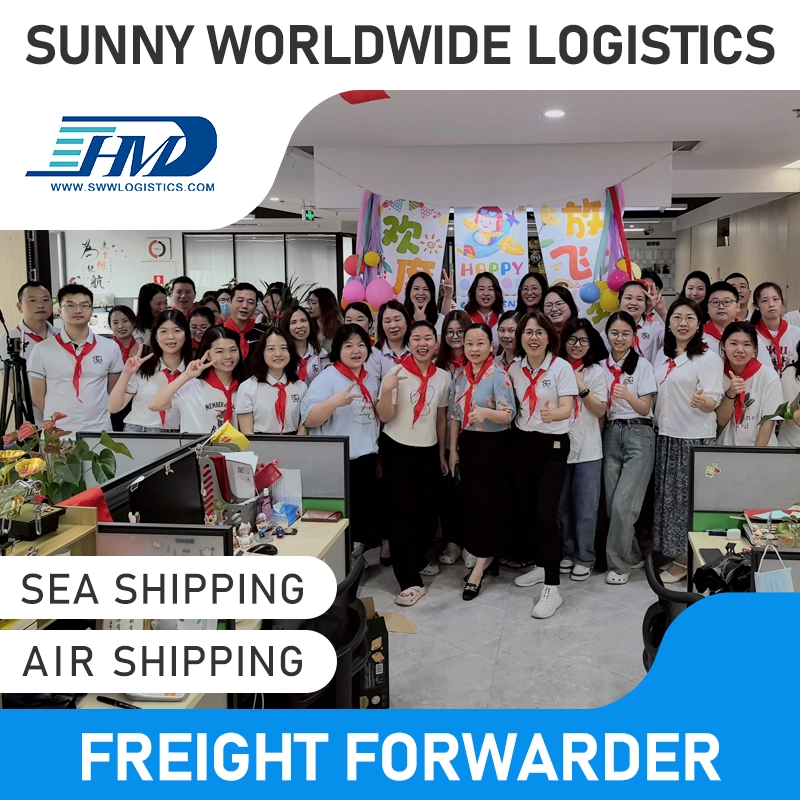
Sunny Worldwide Logistics (SZ) Limited has been in freight since 1998 and operates from Shenzhen as a full-service forwarder with its own trucking company at the sea port. Because the China end and the New Zealand end are handled by the same desk, the container status, the entry and the facility nomination are settled before the box is loaded rather than after it is discharged.
New Zealand punishes improvisation more than most markets. A facility that has not been booked, a hold that has not been lifted, or a container status that does not match the cargo all produce the same outcome, which is a box sitting still while storage charges run and the consignee waits for a delivery date.
Cargo We Move into New Zealand
- Building materials, hardware and home improvement stock
- Furniture, bedding and homeware for retail chains
- Electrical goods, lighting and small appliances
- Machinery, spare parts and workshop equipment
- Outdoor gear, camping equipment and sporting goods
- Automotive and motorcycle aftermarket parts
- Packaging, shop fittings and display materials
What We Need Before Booking
- Commercial invoice with clear descriptions, HS codes and unit values
- Packing list showing cartons, weights, dimensions and pallet counts
- Confirmation of whether the container is a full load for one consignee or shared
- The consignee's New Zealand business number and GST registration status
- Whether the consignee holds its own facility approval, or which facility will receive the box
- Any permit or product approval the category needs
- Delivery address, and whether the goods are collected from the facility or delivered
- For machinery and vehicles, confirmation that pre-shipment treatment has been done in season
About the Company Filing Your New Zealand Entry
Sunny Worldwide Logistics (SZ) Limited began in 1998 and today works as a full-service domestic and international forwarder based in China, with a 1,800 square metre Class A office in Shenzhen and a trucking company at the sea port that keeps collection and documentation under one roof.
Samira Chen / Sunny Worldwide Logistics (SZ) Limited / 8/F, Block B, Rongde Times Square, Henggang Street, Longgang District, Shenzhen, China / phone and WhatsApp +86 13428330724 / Trade Manager cn220161160 / sales38@swwlogistics.com.cn
Questions Importers Ask About New Zealand DDP
Q: Can the container be delivered straight to our warehouse?
A: Only if your premises are an approved transitional facility, or if you are on the multi-site transitional facility system for low-risk containers. Otherwise the box is devanned at an approved facility and the goods are delivered from there.
Q: What is a Biosecurity Authority Clearance Certificate?
A: It is the clearance that allows a container to leave the wharf when MPI has placed a hold. The hold can require an inspection, a wash, fumigation or an internal check, and the certificate is issued once the required action is done.
Q: Does it matter whether our shipment is a full container or shared?
A: It does. A shared container must be devanned at a site that is both a customs controlled area and an approved transitional facility, and the entry has to show the LCL status. Declaring the wrong status is an offence under the Customs and Excise Act 2018.
Q: How much are duty and GST?
A: GST is 15 per cent on the customs value plus freight, insurance and duty, collected above NZD 1,000. Duty on most manufactured goods is low and higher on clothing and textiles, so GST usually dominates the tax line.
Q: Auckland or Tauranga?
A: Auckland for consignees in Auckland, Northland or Waikato, Tauranga for the central North Island or when the sailing suits better. South Island cargo normally comes through Lyttelton or Port Chalmers.
Q: How long does it take door to door?
A: About 18 to 28 days by sea including clearance and devanning, and 5 to 8 days by air. The variable is not the sailing so much as the facility booking and whether a biosecurity action is directed on arrival.
Get a DDP or DDU Figure for New Zealand
Tell us the delivery suburb, whether the container is a full load for one buyer, and whether the consignee can receive an uncleared container at its own site. Those three answers decide the routing, the facility and the price.
Write to Samira Chen at sales38@swwlogistics.com.cn with the product list and the address, or call +86 13428330724 if the consignee has never imported before and needs the sequence explained.
Tel:+8613534256934
Wechat:13534256934
Contact Person:Samira

- Other Products