
- Browse Categories
- Sea Freight
- Air Freight
- Railway Freight
- FBA Amazon
- Express Service
- Warehouse Service
- Trucking Service
- Custom Clearance
- SOC container shipping
- Contact Us
-
TEL:+86-755-25643417
Fax: +86 755 25431456
Address:Room 806, Block B, Rongde Times Square, Henggang Street, Longgang District, Shenzhen, China
Postcode: 518115
E-mail: logistics@swwlogistics.com.cn Contact Now
- Hot products




- Latest NewsMore>>
-
- SOC Container Shipping from China to Le Havre France
- The ship had not arrived at the port for more than a month after the fire, and the shipowner declared general average, carrying 2,300 containers of cargo.
- Ocean freight may plummet by 30% in 2027, and the container shipping market may usher in a major reversal
- SOC Container Shipping from China to Canada shipping
- Maersk CEO responds to stock price plunge: Freight prices cannot remain high for a long time
- 20GP SOC Container Shipping from Shanghai China to the UK
- U.S. Customs releases new IOR regulations: Customs clearance of Chinese goods becomes more difficult and will be implemented on January 5, 2027
- 40HQ SOC Shipping Agent from Shenzhen to Germany
- Middle East ports are heavily congested, ships cannot wait for berths, and shipping companies are restricting bookings
- Port of Los Angeles-Long Beach strike risk on hold
- 40HQ SOC Fast Shipping from China to Germany Door to Door
- Freight rates have risen for the fourth consecutive time, Europe-European lines have risen, and the strike at West American ports has been postponed
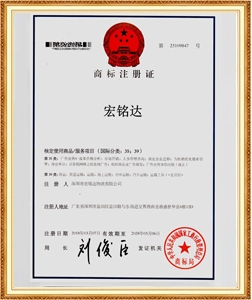
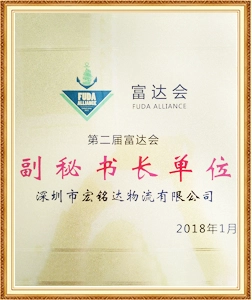
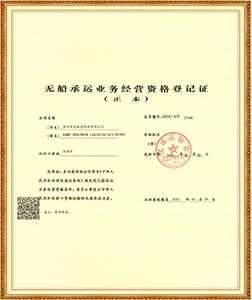
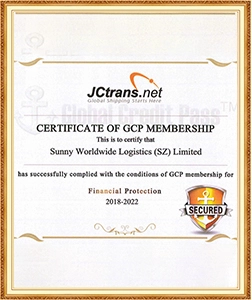
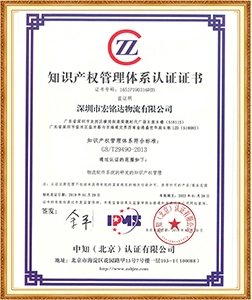
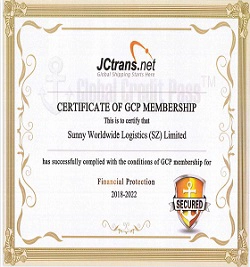
- Certifications
-





- Follow us
- Subscribe
-
Get email updates on new products

China to Saudi Arabia Door to Door Air sea Shipping Service
- Destination:Saudi Arabia
- Departure Day:Saudi Arabia
- Transit Time (Days):35 Days
- Shipment Type:All Types
- Type:Freight Forwarder Sea Cargo
China to Saudi Arabia Door to Door Air sea Shipping Service
The Short Answer
Saudi Arabia is the one market in this series where the cargo is effectively cleared before it sails. The declaration is pre-filed and validated through the single window, the product certificate has to exist at origin, and since 1 October 2025 a shipment certificate must be issued for every consignment before any customs filing is accepted. Add the January 2026 realignment of tariff codes, which left older certificates quoting numbers that no longer match, and the picture is clear: a Saudi shipment is decided by paperwork written weeks before arrival. DDP does not change that; it only decides who assembles the paperwork and who funds the result.
What a Booking Covers
The contract runs from your supplier to a Saudi address: collection, export declaration, the sea or air leg, pre-clearance filing, duty and VAT settlement, and delivery.
On DDP the charges are funded by us and sit inside the quoted price. On DDU the consignee settles them against its own customs account. Either way, the declaration names a real importer, and that is a separate question from who pays.
The Four-Way Match
A Saudi file is accepted when four things agree with each other, and it is held when any one of them drifts.
The invoice description. Plain language, model numbers where they exist, and no vague category words. A description that reads like a marketing line is the most common reason a first submission comes back.
The tariff code. Twelve digits, taken from the current authority tariff. Codes were realigned in January 2026, and a code copied from an older file is a code that no longer exists.
The certificate reference. The product certificate carries the codes it covers. If the invoice cites a code the certificate does not, the declaration fails validation at the point of filing, not at the quay.
The physical cargo. Marks, quantities, weights and the origin marking on the cartons. An inspector comparing the pallet to the file is comparing it to all three documents above.
Under DDP we build that match at origin, before the container is sealed, and we are the ones who absorb a rework. Under DDU the consignee builds it, and we carry what it gives us. The difference is not the tax; it is who discovers the mismatch and when.
Approved Before It Sails
Product conformity runs on two documents. The product certificate covers a model or family and stays valid for a year. The shipment certificate is issued per consignment and, since October 2025, is required for every import rather than for selected categories, which moved the work from the port to the factory.
The January 2026 tariff update is the detail that catches older exporters. Certificates registered against previous codes remain on the platform, but a declaration filed under the current code no longer matches them, and the platform flags the gap rather than resolving it. Certificates issued before that date are worth auditing before the next booking, not after the vessel departs.
There is also a standing constraint on who may file at all. The named importer on a Saudi declaration has to be an entity registered with the tax and customs authority, which in practice means a Saudi establishment. A Chinese forwarder cannot clear in its own name, so a DDP arrangement rests on a Saudi importer, whether that is your distributor, your branch or a third-party importer of record acting on your behalf.
Two Coasts, One Inland Door
Read Saudi geography from the Red Sea inward, because that is the order in which the routing choices appear.
Jeddah, on the west. The country's largest container gateway, at 4.3 million TEU in 2025 and close to half of national throughput, with a monthly record of 582,900 TEU set in October 2026. It serves the western region and feeds Riyadh by road and rail. Allow 26 to 34 days door to door from a Chinese base port.
Riyadh, cleared inland. The dry port lets a container be declared in the capital rather than at the coast, and boxes move up from Dammam by rail. It suits central and northern destinations and avoids a second handling of the paperwork, but the storage clock starts on arrival at the inland facility, not when the vessel berthed.
Dammam, on the Gulf. King Abdulaziz Port serves the eastern province and the industrial cities, and is the shorter sea leg to Riyadh. Gulf routing runs a little longer than the Red Sea one, typically 28 to 36 days door to door.
The land bridge from Dubai. Cargo can be trucked from Jebel Ali across the peninsula, entering at the Salwa crossing. It is quick for small volumes and awkward for full containers, because the Saudi import formalities still apply at the border and the transit document has to be closed correctly on both sides.
What the Charges Add Up To
Three charges stack, and they stack in sequence rather than side by side. Customs duty is 5 per cent on the CIF value for most goods, rising to 20 per cent for some categories under the current tariff. VAT is 15 per cent and is calculated on the duty-paid figure, so it is charged on a number that already includes the duty. A customs service fee of 0.15 per cent, capped at 500 riyals per declaration, completes the bill.
Run that on a nominal 100 units of value and the total lands near 21 per cent, which is why a Saudi landed cost cannot be estimated by adding 5 and 15 together. VAT is recoverable where the importer is registered; the duty and the fee are not.
Why Shippers Route Saudi Cargo Through Us
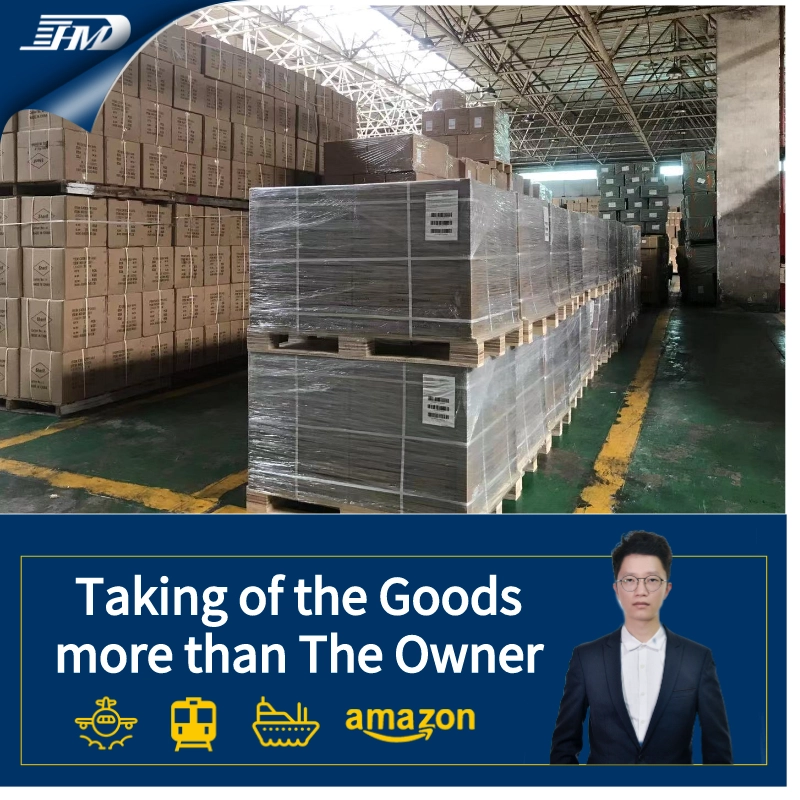
The first mile is ours. Sunny Worldwide Logistics (SZ) Limited keeps a trucking company at the Shenzhen sea port, so the movement from your factory to the terminal is handled by the desk that also books the sailing and prepares the pre-clearance file.
Saudi Arabia rewards that arrangement because the country's failures happen early and cost late. A certificate mismatch discovered at origin is an hour of editing; discovered at Jeddah it is a week of storage and a formal correction. Having the invoice, the tariff code, the certificate reference and the packing list checked as one set, before sealing, is the whole discipline of this route.
Cargo We Move into Saudi Arabia
- Industrial machinery, pumps and spare parts
- Consumer electronics, small appliances and accessories
- Furniture, lighting and home textiles
- Building materials, profiles and hardware
- Solar mounting, cables and electrical components
- Automotive and motorcycle aftermarket parts
- Consumer goods and e-commerce replenishment stock
What We Need Before Booking
- Commercial invoice with a plain description and the current twelve-digit tariff code
- Packing list with carton counts, weights and dimensions
- The product certificate reference and the codes it covers
- Whether the consignee holds a Saudi commercial registration and customs account
- Delivery city, and whether clearance should happen at the coast or inland
- Confirmation that origin marking appears on the cartons
- Any sector approval the category requires
About the Company Filing Your Saudi Pre-Clearance
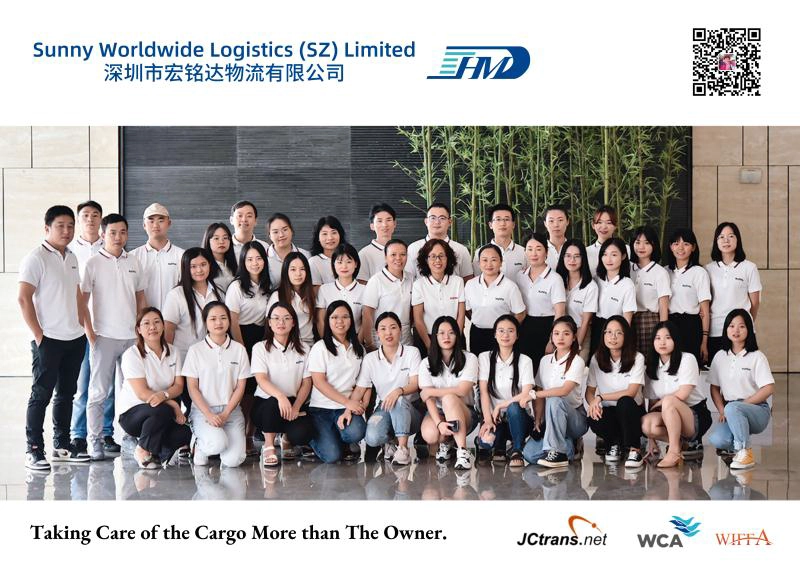
Sunny Worldwide Logistics (SZ) Limited has worked in freight since 1998 as a full-service domestic and international forwarder based in China. It occupies a 1,800 square metre Class A office in Shenzhen and runs its own port trucking operation, which keeps collection and documentation in one team.
Samira Chen / Sunny Worldwide Logistics (SZ) Limited / 8/F, Block B, Rongde Times Square, Henggang Street, Longgang District, Shenzhen, China / phone and WhatsApp +86 13428330724 / Trade Manager cn220161160 / sales38@swwlogistics.com.cn
Questions Importers Ask About Saudi DDP
Q: Can we ship DDP without a Saudi company?
A: Ship, yes; clear, no. The declaration has to name an entity registered with the Saudi tax and customs authority, and a foreign forwarder has no standing to be that entity. DDP therefore needs a Saudi importer: your distributor, your branch, or a third-party importer acting for you.
Q: What does an import actually cost?
A: Five per cent duty on the CIF value for most goods, 15 per cent VAT on top of the duty-paid figure, and a 0.15 per cent service fee capped at 500 riyals. The sequence matters, and the combined effect is close to 21 per cent before freight is included.
Q: Is a shipment certificate needed for every container?
A: Since October 2025, yes, for every consignment rather than for selected categories. It is issued per shipment against the product certificate, and the customs filing is not accepted without it.
Q: Our certificate was issued before January 2026. Is it still usable?
A: It may no longer match. The tariff codes were realigned at the start of 2026, so a certificate registered against an older code can fail validation when the declaration is filed under the current one. Audit the reference before booking.
Q: Should we clear at Jeddah, Dammam or Riyadh?
A: Follow the destination. Jeddah is the largest gateway and feeds the west; Dammam shortens the inland leg for the east and for Riyadh by rail; Riyadh dry port clears inland but starts the storage clock on arrival there rather than at the coast.
Q: Can goods be trucked in from Dubai?
A: Yes, at the Salwa crossing, and it is a sensible option for small volumes. Full containers usually cost more that way, because the Saudi formalities still apply at the border and the transit document has to be opened and closed correctly.
Get a DDP or DDU Figure for Saudi Arabia
Send the SKU list, the current tariff code for each line, and whatever certificate reference you already hold. The rate follows the match, because in this market the certificate decides the sailing date more often than the vessel schedule does.
Two things to send first: your SKU list and the existing certificate reference. Both go to sales38@swwlogistics.com.cn, and to Samira Chen on +86 13428330724 if a call is quicker than a thread.
Tel:+8613534256934
Wechat:13534256934
Contact Person:Samira

- Other Products