





























The price of a container has increased by more than 1,000 US dollars, and competition for shipping space has begun again.
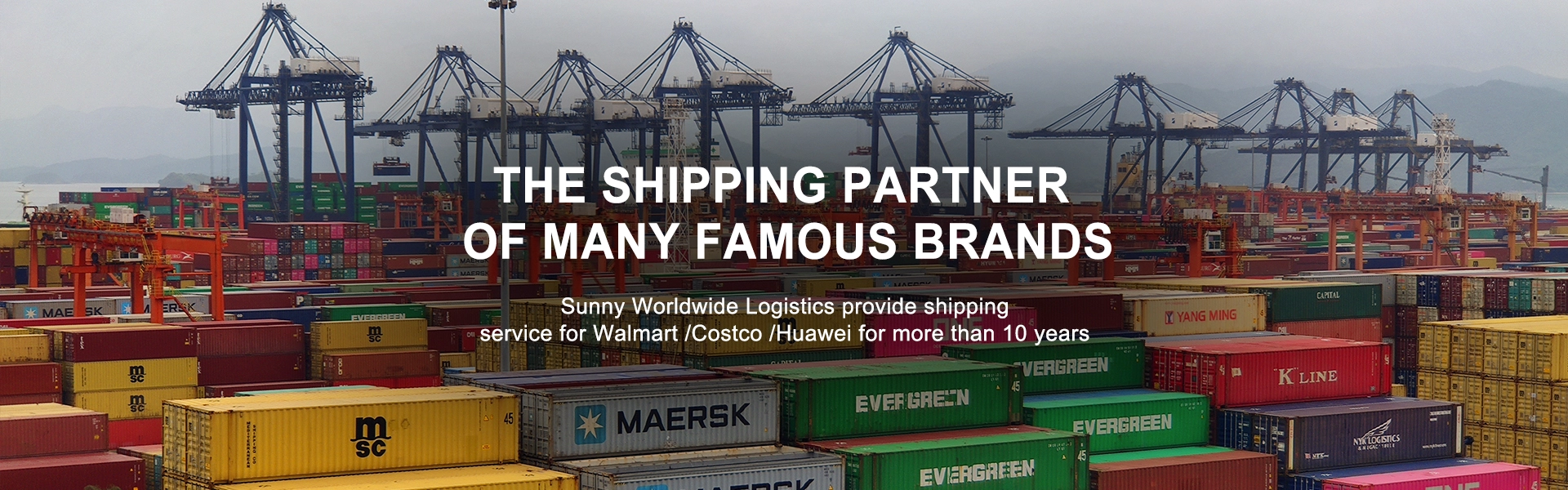
Sunny Worldwide LogisticsIt is a logistics company with more than 20 years of transportation experience, focusing on markets such as Europe, the United States, Canada, Australia, and Southeast Asia. It is more of a cargo owner than a cargo owner~

Since late April, the container shipping market has picked up significantly. Data shows that the cumulative increase in the main contract of Container Shipping Index (European Line) futures has exceeded 50%. Major liner companies such as Maersk and CMA CGM have successively issued notices of freight rate adjustments, and freight rates have increased simultaneously on many routes in Europe, South America, and Southeast Asia.
Many freight forwarding companies have reported that space on some popular routes has shown signs of tightening, and the freight rate for a single container on the European and American lines has increased by more than US,000. This round of changes has been confirmed by public reports such as CCTV News, and is not a subjective feeling at the industry level.
Rising freight rates are no stranger to the shipping industry, which has experienced dramatic market fluctuations in recent years. But compared with past rounds of market trends, the driving logic behind this rise is undergoing subtle changes.
The traditional peak season starts early and cargo volume is released intensively
According to the rules of previous years, June to August is usually the starting point of the traditional peak season in the shipping market. European and American retailers prepare for the peak consumption season in the second half of the year and the year-end holiday sales season, and the pace of shipments by foreign trade companies accelerates. However, this year’s peak season started significantly earlier. Yiwu, Shenzhen, Ningbo and other foreign trade agglomeration areas have recently generally reported that overseas orders have remained active, and many buyers have already locked in supply for the second half of the year in advance.
The increase in cargo volume has directly led to tighter space resources. Some freight forwarders said that booking space in Europe and the Americas has become significantly more difficult than before, and popular voyages even need to lock space weeks in advance. From the demand side, the market shows no signs of cooling down.
Geographical risks superimpose peak season demand, jointly pushing up freight prices
It would be biased to attribute this round of rise entirely to peak season factors. In the past few years, the shipping market has gradually formed a new feature: geographical factors have an increasingly profound impact on global shipping capacity allocation.
Since the beginning of this year, the situation in the Middle East has continued to be tense, and risks related to the Strait of Hormuz and the Red Sea have continued to raise market concerns about the stability of the supply chain. Although some routes still maintain normal operations, shipping companies have borne more additional costs in terms of capacity deployment, safety management, insurance costs and route planning, which will eventually be reflected in freight rates. Therefore, the current market is not driven solely by demand growth, but is the result of the superposition of demand growth and supply chain risks.
"Pre-shipment" behavior amplifies peak season demand
Another phenomenon worthy of attention is stocking up in advance. In the past few months, more and more importers have chosen to purchase and ship in advance to reduce future transportation costs and the risk of supply chain fluctuations.
This kind of "front-loading" behavior is particularly obvious in the European and American markets. Some shipments originally concentrated in the third quarter were released to the second quarter in advance, further amplifying peak season demand. This is also an important reason why the recent increase in freight rates coincides with the tightening of shipping space.
Freight price trend: running at a high level in the short term, but depends on multiple variables in the long term
The current market concern is how long freight prices can rise. From the demand side, the holiday stocking cycle in Europe and the United States is still continuing, and short-term cargo volume is not expected to fall significantly. From the supply side, the global fleet has not shrunk significantly, and the market does not have the severe capacity shortages experienced during the epidemic. Therefore, the current rise is more reflected in the periodic tight supply and demand rather than a long-term supply imbalance.
The future freight rate trend will be affected by multiple factors: first, the subsequent demand performance of the European and American consumer markets; second, the situation in the Middle East, the Red Sea traffic environment and the shipping company's capacity adjustment strategy. If supply chain risks persist, freight rates may continue to remain high; if pressure eases, prices on some routes may see a correction.
Market sentiment is also involved in pricing
Historical experience shows that in many cases the freight rate increase itself is not the biggest variable. What really affects the market is often expectations. When cargo owners begin to prepare goods in advance, when shipping companies adjust prices intensively, and when the market is generally worried about insufficient shipping capacity in the future, prices are often pushed up further.
The current container shipping market is at this stage: demand has not weakened significantly, supply chain risks have not subsided, and market uncertainty about the future still exists. This is why freight rates have taken the lead in a strong market trend before the traditional peak season begins in full swing. For the industry, what needs to be observed next is not just how much freight rates have increased, but how long the demand and market expectations behind this increase can last.