




























The on-time rate is 90%, and the "Gemini" alliance wants a "premium" again
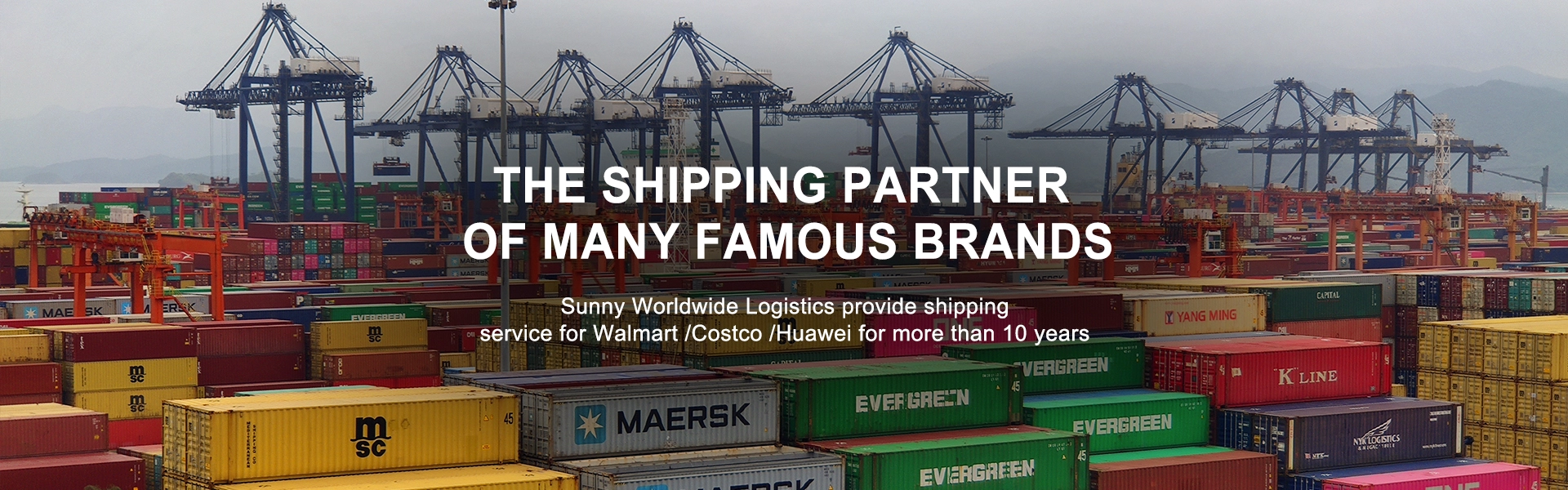
Sunny Worldwide LogisticsIt is a logistics company with more than 20 years of transportation experience, focusing on markets such as Europe, the United States, Canada, Australia, and Southeast Asia. It is more of a cargo owner than a cargo owner~

As a benchmark in the container shipping market, the new CP “Gemini” alliance between Maersk and Hapag-Lloyd has always attracted much attention. With the on-time rate reaching 90%, the CEOs of these two companies have publicly stated that customers may need to pay a premium for "high on-time rate".
Hapag-Lloyd CEO Rolf Habben Jansen publicly stated after the release of third-quarter results that liner companies can save customers money when goods are delivered on time. That's why Hapag-Lloyd, like Maersk, sees an opportunity to pay a "premium".
Since the launch of the "Gemini" cooperation between Germany's Hapag-Lloyd and Denmark's Maersk in February this year, the cooperation has been very successful, achieving the goal of an on-time rate of 90%. In the view of Hapag-Lloyd’s CEO, this not only sets a “new benchmark in reliability” for the container shipping industry. And it means customers save money because their cargo spends less time on board, allowing customers to manage with less inventory, which is a sure “bang for the buck” for shippers.
Rolf Habben Jansen, CEO of Hapag-Lloyd, said, “It’s also clear in discussions with customers that they do see a real opportunity to save a week or two of inventory from the supply chain, and that’s clearly valuable.”
Previously, Maersk CEO Vincent Clerc also expressed a similar view. Ke Wensheng also emphasized the value of "high accuracy", which can enable customers to reduce inventory.
"As for the premium, we've started communicating, but it's too early to talk now," he said. "We also need to make sure we have a long enough track record of creating value for customers and then use some of that value to our advantage."
Analysts have previously questioned whether the competitive advantage of high-accuracy delivery rates will allow customers to pay a premium. At the same time, comments by Gemini partner executives have raised concerns among representatives of Danish small and medium-sized companies.
SMV Danmark representative Alexander Søndergaard said, "We find this worrying because there is a lack of comparability. Should customers really pay more for Maersk work?"
For Hapag-Lloyd, Rolf Habben Jansen has yet to decide how it will be implemented in practice. When asked whether the "premium" would be charged in the form of a surcharge, he himself admitted that it might be "weird" because liner companies sail according to sailing schedules.
Instead, price increases will be determined in negotiations with each customer, but Rolf Habben Jansen stressed that serving customers better is its top priority.
He said, “The next step is to continue to increase shipping capacity on the basis of ensuring services and ensure a win-win situation to gain customer recognition and adequate remuneration.”
He believes, "Because if we can help customers run their supply chains better, then it must be more efficient for them, for example, reducing inventory."