





Breaking news: 50% additional tariffs
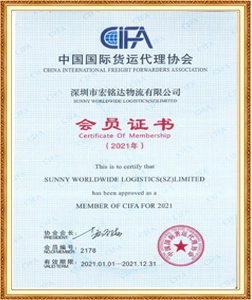
Sunny Worldwide LogisticsIt is a logistics company with more than 20 years of transportation experience, focusing on markets such as Europe, the United States, Canada, Australia, and Southeast Asia. It is more of a cargo owner than a cargo owner~

A few days ago, the European Union's executive agency released a piece of heavy news and announced a series of strict restrictions on the import of steel products. This move is like dropping a "heavy bomb" in the field of international trade, arousing widespread attention and heated discussions from all parties.
In order to protect and revitalize the EU steel industry and provide bargaining chips for tariff negotiations with the United States, the EU executive agency officially proposed on October 7, local time, to cut the quota for tariff-free imported steel in half and impose a 50% tariff on imported steel exceeding the annual quota of 18.3 million tons (original quota of 33 million tons).
These imports are currently duty-free, a rather rare move that would bring EU tariff levels in line with other major markets (the United States). This 50% tariff will be superimposed on existing import tariffs. If necessary, the European Commission may impose country-specific quotas or import restrictions.
The steel import restrictions announced by the EU this time can be described as "cut to the bone" and target the core link of steel imports.
-
In terms of quotas, the EU will significantly reduce the quota of foreign steel that can be imported into the EU duty-free from 33 million tons in 2024 to 18.3 million tons per year, a drop of up to 47%. This amount is equivalent to the total amount of steel imported by the EU in 2013, which means that a large amount of steel that could have entered the EU market duty-free will face obstacles from high tariffs.
-
In terms of tariff adjustment, the EU is even more aggressive. For all steel imports that exceed the quota, the tariff rate will be significantly increased from the current 25% to 50%, and this 50% tariff will be superimposed on the existing import tariff. This move will significantly increase the cost of excess imported steel, forcing importers to weigh carefully when importing.
-
At the same time, the EU has also strengthened the traceability management of the origin of steel products. There are new requirements for traceability of origin (smelting and pouring), and importers need to declare the "smelting and pouring" place of the original steel. This regulation aims to prevent importers from evading tariff quotas through transshipment and other methods, strengthen the traceability of steel products, and ensure the standardization of trade order.
The European Commission hopes to put these measures into practice as soon as possible, no later than July 1, 2026, to replace the steel safeguard measures that are due to expire in June 2026.
Attitudes within the EU are complex
"This is a very strict provision that has no precedent in Europe," said EU Commissioner for Industry Stefan Sejona. Once this provision is implemented, only about 10% of steel on the EU market will be tariff-free. European Commission Vice President Serone said: "The European steel industry is on the verge of collapse."
The industry's attitude toward this move is mixed. In the short term, defensive measures such as raising tariffs may provide a buffer period for local companies and gain support from industry representatives. But in the long run, this approach is a "double-edged sword." It may raise the costs of European downstream industries (such as automobile manufacturing and power equipment), harming the interests of final consumers and the global competitiveness of these industries themselves. Moreover, trade protectionism cannot fundamentally solve the structural problems of efficiency and energy costs in the European steel industry.
European Steel Association supports
The European Steel Association (Eurofer) regards the proposal as a "milestone in safeguarding the industry" and believes that it will help protect employment and promote the green transformation of the industry. The association said that strict import restrictions can reduce the impact of low-priced foreign steel, provide a better development environment for EU steel companies, and promote technological upgrading and green development of companies.
China Chamber of Commerce in the European Union criticized
The China Chamber of Commerce in the European Union (CCCEU) criticized the proposal as "protectionism" and worried that it would push up the costs of downstream industries such as automobiles and machinery and have a negative impact on the development of related industries. The Chamber of Commerce believes that this move by the EU violates the principle of free trade, is not conducive to the healthy development of the global steel industry, and may also trigger trade frictions and retaliatory measures.
EU officials deny protectionism
Faced with doubts from all parties, the EU officially denied the protectionist claims, saying that this was a necessary measure to "protect sovereignty and employment." European Commission Vice President Shefcovic pointed out that this was to deal with "global overcapacity" and emphasized that the EU needs to adopt these measures to protect its steel industry and job market.
The "smelting and casting" rules are particularly aimed at China's transshipment of steel through countries such as Türkiye, which may cause certain obstacles to Chinese steel exports to the EU. Chinese steel companies need to readjust their export strategies and find new markets and trade channels.
In addition, the EU's actions may follow the example of the United States, which has extended tariffs/quotas to photovoltaics, electric vehicles and other fields. Currently, the EU is facing industrial recession and external competitive pressure, and it does not rule out extending tariff tools to industries such as chemicals and machinery and equipment. This move may reshape global supply chains and intensify trade frictions. Countries may adopt trade protection measures one after another, making the global trade environment more complex and unstable.
For industry practitioners, it is necessary to predict supply chain changes in advance, actively respond to potential costs and market fluctuations, and find new development opportunities in this changing international trade.