
















Tens of thousands of containers are backlogged, and major ports in Southeast Asia are congested across the board
Sunny Worldwide LogisticsIt is a logistics company with more than 20 years of transportation experience, focusing on markets such as Europe, the United States, Canada, Australia, and Southeast Asia. It is more of a cargo owner than a cargo owner~

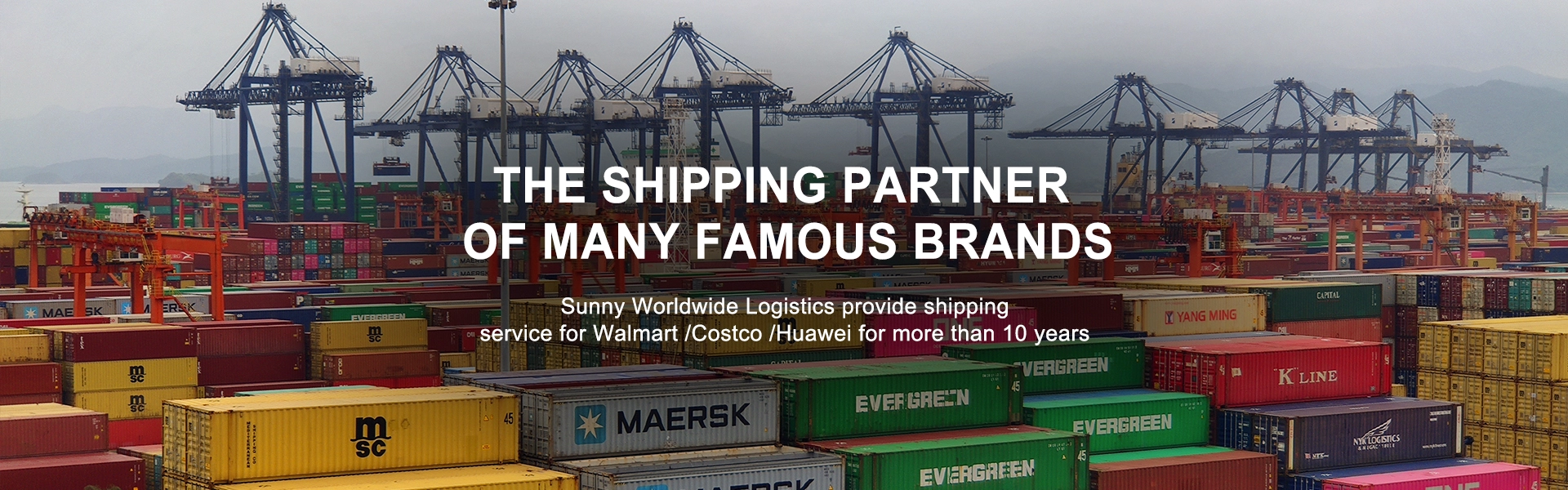
Indonesia's largest container gateway, Tanjung Priok Port, is experiencing congestion pressure that has been rare in recent years. Recently, the backlog of containers in the port area has continued to escalate. The initial number of detention containers was about 3,100, but according to the latest market news, the number of backlogged containers has climbed to about 10,000. At the same time, a large number of customs declaration forms await review, the customs clearance process has slowed down significantly, and the import logistics chain is undergoing severe tests.
As the core hub responsible for more than half of Indonesia's maritime cargo throughput, the congestion at Tanjong Priok Port has had a real impact on the supply of local manufacturing raw materials, the pace of cross-border e-commerce replenishment, and bilateral trade between China and Indonesia. Faced with the deterioration of the situation, Indonesian Finance Minister Purbaya went to the port for on-site supervision on June 6, requiring customs and related units to implement 24-hour shift operations and strive to reduce the backlog of containers to the normal level of about 500.
Judging from the current situation, this round of congestion is not caused by a single factor, but the result of multiple pressures from strengthened supervision, import growth and port management.
In recent years, Indonesian Customs has continued to promote anti-corruption and compliance rectification, and many ports have entered a stage of strict inspection. Market sources said that from June to the end of July, customs, taxation, police, anti-smuggling and trade supervision departments may conduct joint inspections, focusing on verifying the authenticity of documents, declared value and compliance of goods. Against this background, the inspection ratio has increased, the review process has become stricter, and a large number of customs declaration documents have been backlogged, which directly affects the speed of cargo release.
At the same time, the rapid growth in import volume has further increased the burden on ports. Data show that in the first four months of 2026, Indonesia's imports from China increased by 13.4% year-on-year. Consumer goods, electronic products, clothing, shoes and hats and other goods continued to pour in, and port processing capabilities faced greater challenges. China's supply chain occupies an important position in the Indonesian market, and a large number of imported goods arrive at the port, which intensifies the pressure on already tight terminal resources.
In addition, the long-standing "container lag" phenomenon in the port area has also contributed to congestion. Some importers did not pick up the goods in time after completing customs clearance, but continued to park the containers in the port area. Since port storage costs are sometimes lower than social warehousing costs, port areas were once used as low-cost warehouses, occupying a large amount of storage space and reducing port turnover efficiency. In response to this problem, Indonesia has strengthened management. According to the new regulations implemented this year, the maximum storage period for goods entering the customs temporary storage area (TPS) is 90 days. Overdue goods may face auction or disposal, and in serious cases, they may lose their customs clearance qualifications.
It is worth noting that congestion pressure is not limited to Tanjong Priok Port. Market feedback shows that major Indonesian ports such as Surabaya Port and Semarang Port are also facing greater pressure on customs clearance. There are even reports of further increases in inspection rates in some areas. The space for large-scale diversion through other ports is relatively limited.
For Chinese export companies and freight forwarders, the most important concerns at present are timeliness and cost risks. The overall customs clearance cycle for Indonesia has been significantly extended, and the original process of about one week may be extended to two weeks or more. When it comes to key regulated categories or goods with high inspection risks, there is still great uncertainty in the release cycle. At the same time, the increase in cargo detention time will bring additional storage fees, port demurrage fees and container detention fees, and the overall logistics cost is likely to continue to rise.
It is recommended that cargo owners and freight forwarders who have recently shipped to Indonesia make risk plans in advance: appropriately extend the expected delivery cycle to avoid the risk of default caused by delays in customs clearance; carefully check the HS code, declared value and document consistency to reduce the risk of inspection and deduction; pay attention to the time the goods stay in the port in a timely manner to avoid violating the 90-day storage limit; confirm with customers in advance how to bear demurrage costs to reduce subsequent disputes.
Although the Indonesian government has launched a 24-hour operation mechanism to speed up port clearing, the congestion situation in Indonesia's major ports may not be significantly alleviated in the short term against the background of tighter supervision, strong import demand, and tight port resources. For companies involved in the Indonesian market, fluctuations in logistics timeliness and rising operating costs will remain important challenges that must be faced in the future.