



























There are riots across the country, and transportation by sea, land and air has been suspended.
Sunny Worldwide LogisticsIt is a logistics company with more than 20 years of transportation experience, focusing on markets such as Europe, the United States, Canada, Australia, and Southeast Asia. It is more of a cargo owner than a cargo owner~

On February 22, the Mexican military launched a raid in the state of Jalisco against the drug trafficking group "Jalisco New Generations" and confirmed the killing of its leader Nemesio Oseguera Cervantes.This action quickly triggered large-scale retaliatory violence by the organization, affecting many regions including Jalisco, Colima, Guanajuato, Michoacán, Veracruz and Tamaulipas.
Violent incidents are concentrated inRoad blockades, commercial vehicles burned and some facilities damaged have had a direct impact on port operations, airport freight, road transportation and warehousing systems in western Mexico, and the regional logistics network once entered an abnormal operating state.
Shipping: The Port of Manzanillo gradually resumes after a brief shutdown
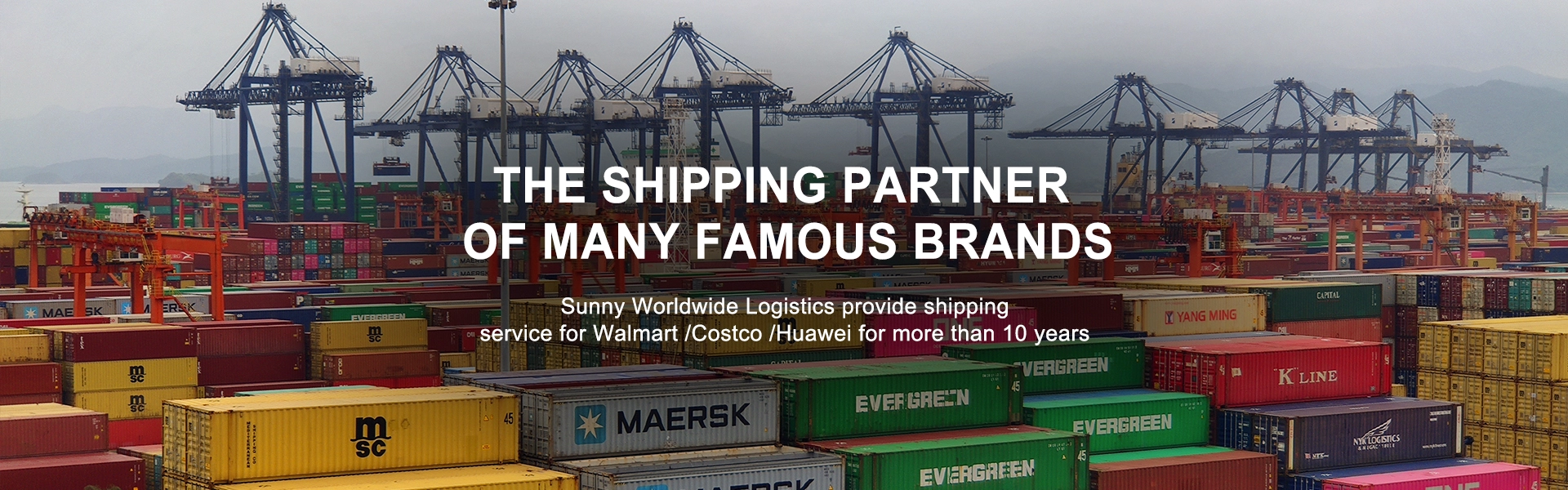
As the largest container gateway on the Pacific coast of Mexico, the Port of Manzanillo temporarily suspended ship traffic and closed all entrances and exits to the port area due to safety concerns on February 22. The port is a key node connecting the supply chain between Asia, Mexico and even North America. Its suspension directly led to the complete interruption of ship berthing, terminal loading and unloading, and gate pick-up operations, which put significant pressure on the customs clearance progress and inland distribution of imported containers.
Subsequently, the port gradually resumed operations under strict security measures such as the military stepping up patrols and implementing controlled access. However, due to the backlog of ships caused by the initial port closure and the extended operation time caused by security inspection upgrades, the port will still face pressure from berthing delays and slowdown in yard turnover in the short term. The efficiency of inland collection and distribution has also been significantly hindered by road blockades.
Air freight: Guadalajara Airport cargo restrictions
As an important cargo hub in Latin America, Guadalajara International Airport (GDL) experienced a large number of flight cancellations during the peak period of the riots, including many cargo flights. Since February 23, the airport has reopened under tight security, but the cargo link still faces multiple challenges. The roads leading in and out of the airport were blocked during some periods, the flexibility of truck dispatching was reduced, the arrival rate of airport cargo terminal personnel was also affected, and there were temporary adjustments to flight schedules.
Companies that operate air cargo through Guadalajara Airport need to anticipate the risk of tight space and cargo backlog in the short term. Some urgent cargo has been considered to be diverted to airports such as Mexico City, Queretaro and Monterrey. However, security checks have also been strengthened on some northern routes, making overall capacity scheduling more difficult. It is worth noting that the freight in Guadalajara is mainly transported by road, and there is a lack of core railway alternative channels. Therefore, road safety has become a key variable affecting the flow of goods.
Roads and warehousing: Western industrial corridor hampered
This incident has a particular impact on the logistics corridor connecting Guadalajara, the Pacific Coast and the Bajío industrial zone. Highways in many states have been blocked and vehicles burned, resulting in unstable mainline transportation times, delays in picking up and delivering containers, and hindering interstate truck dispatching. Some warehouses in the Guadalajara area suspended first-shift operations during the red alert period, and subsequent shifts were resumed based on safety assessments. Restrictions on personnel travel also directly affected warehouse loading and unloading efficiency.
In the face of emergencies, many international logistics companies have activated emergency management mechanisms to strengthen real-time safety monitoring, route verification and dynamic diversion, cargo tracking in transit, and customer warning notifications. Companies such as Kuehne Nagel said they would continue to monitor the situation and issue updates as needed.
The situation is stabilizing, but logistics recovery will still take time
Mexican President Sheinbaum said that the situation across the country has basically stabilized, highway blockades have been cleared, and flights are expected to fully resume. However, from the perspective of logistics operations, the disruption to shipping schedules caused by port closures still needs several days to digest. The recovery of air freight spaces requires the gradual clearing of the backlog of goods. The recovery of road transportation confidence and dispatch also needs to be observed.
Although this security incident has tended to ease, it has had a periodic impact on the international supply chain in western Mexico. For companies that rely on the Port of Manzanillo to import Asian goods or carry high value-added freight through Guadalajara Airport, in the short term it is recommended to pay close attention to the operational dynamics of the coming week, maintain high-frequency communication with logistics service providers, reasonably reserve transportation buffer time, and evaluate alternative port and airport options to reduce the risk of potential delays.