































Overcapacity, SCFI index fell for two consecutive weeks
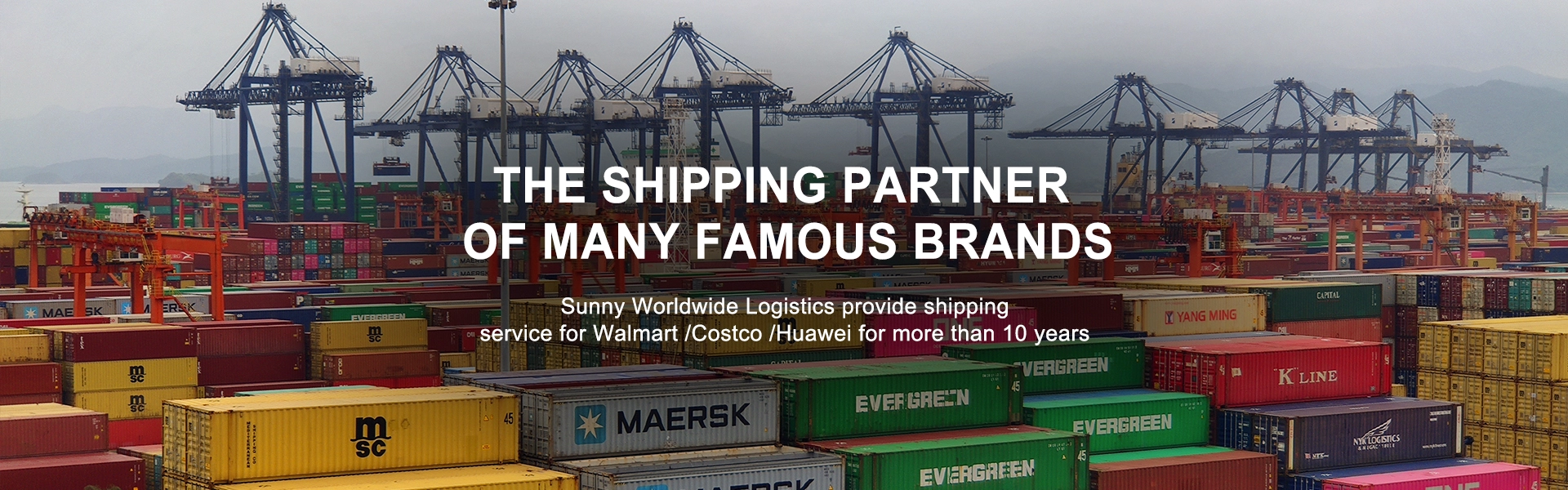
Sunny Worldwide LogisticsIt is a logistics company with more than 20 years of transportation experience, focusing on markets such as Europe, the United States, Canada, Australia, and Southeast Asia. It is more of a cargo owner than a cargo owner~

The fundamentals of oversupply in the container shipping market have not changed, and the Shanghai Export Container Freight Index (SCFI) continued to fall last week.
According to the latest data released by the Shanghai Shipping Exchange on January 16, the SCFI index fell 73.27 points to 1574.12 points last week, and the weekly decline expanded to 4.45%. Among the four major ocean routes, except for the freight rate of the East US route, which increased slightly, the freight rates of the other three major ocean routes all fell.
Last week, the freight rate per FEU from the Far East to the US West Line fell by US to US,194, a weekly decrease of 1.08%; the freight rate per FEU from the Far East to the US East Line increased by US to US,165, a weekly increase of 1.18%; The freight rate per TEU on the East to Europe line fell by US to US,676, a weekly decrease of 2.5%; the freight rate per TEU on the Far East to Mediterranean line fell by US9 to US,983 compared with the previous week, a weekly decrease of 7.7%.
In the near-ocean line, the freight rate per TEU from the Far East to Kansai, Japan, remained unchanged from the previous week at US2; the freight rate per TEU from the Far East to Kansai, Japan remained unchanged from the previous week, at US1; the freight rate per TEU from the Far East to Southeast Asia fell by US from the previous week, to US5; and the freight rate per TEU from the Far East to South Korea increased by US from the previous week, to US4.
Industry insiders said that the growth rate of container ship shipping capacity is still faster than the actual cargo volume growth, and short-term freight rates continue to be affected by the overall shipping capacity supply situation. Even if there is still a certain demand for goods before the Spring Festival, it is difficult to fully digest the supply in the short term. Before the market supply and demand have not fully returned to balance, the short-term market will still be dominated by shock consolidation.
From January 15th to 21st, the freight rates of the alliance routes remained relatively stable. The freight rates of the US West Line were about 2,000 to 2,100 US dollars, the freight rates of the US East Line were about 3,000 to 3,100 US dollars, and the freight rates of the European Line were about 2,300 to 2,600 US dollars. In late January, container shipping companies plan to increase freight rates on the Pacific route. It is estimated that the freight rates for the U.S. West Route will be raised to approximately ,100 and the U.S. East Route will be approximately ,100. This reflects the container shipping company’s price expectations for subsequent market trends, but the actual performance will still depend on cargo volume.
It is reported in the market that shipping giant Mediterranean Shipping Company and others have notified special customers of no price increase before the Spring Festival, hoping to increase the loading rate by cutting prices early to grab more goods.
Looking forward to the future, although freight rates have certain support before the Spring Festival, before supply and demand have fully returned to balance, the market will be dominated by fluctuations. The subsequent freight rate trend still needs to be observed based on actual shipment demand and container control conditions of container shipping companies.