



















Strike threat at Port of Los Angeles/Long Beach, port operations may be suspended
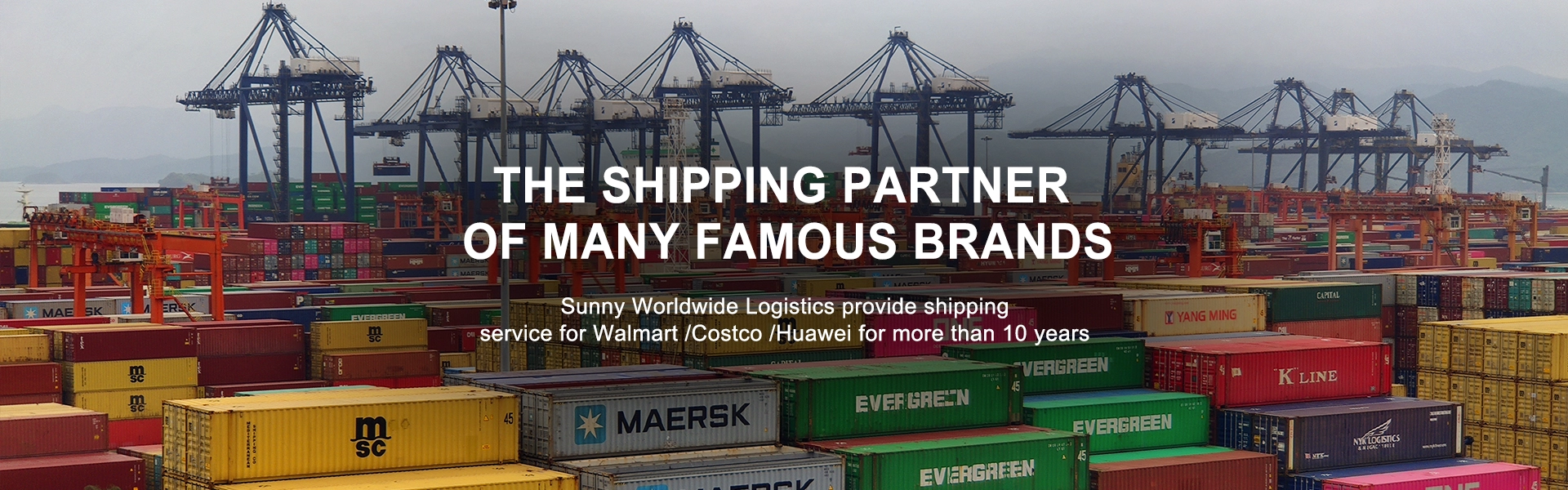
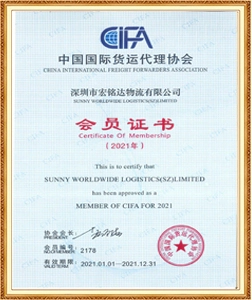
Sunny Worldwide Logistics It is a logistics company with more than 20 years of transportation experience, focusing on markets such as Europe, the United States, Canada, Australia, and Southeast Asia. It is more of a cargo owner than a cargo owner~

On October 27, US media reported that new labor disputes had arisen at the Port of Los Angeles and the Port of Long Beach. About 250 port security and cargo guards of the International Longshore and Warehousing Union Local 26 plan to go on strike on November 1. If labor and management fail to reach an agreement before the deadline, related actions may have a knock-on impact on terminal operations at the two major gateway ports in the West.
Unions have been granted strike authorization, but negotiations have not had a breakthrough since 2025
According to the Wall Street Journal, citing employer sources, the union has voted to authorize the strike. If the two sides fail to reach an agreement, the action plan will be launched at 17:00 on November 1, Western Pacific Time (9:00 on November 2, Beijing time).
In a letter to other maritime unions on October 23, union president Luisa Gratz said that negotiations between the union and employers and the Pacific Maritime Association since 2025 have still not reached an agreement. The union has issued preliminary notices of the labor dispute to other maritime unions and called for support.
ILWU Local 26 represents the maritime security and custodial personnel of the Port of Los Angeles and the Port of Long Beach. Their work involves gate operations, cargo guarding and other positions. Although members of the union are not directly responsible for container loading and unloading operations, their positions are an important part of the daily operations of the terminal. Once the operations are interrupted, it may affect the efficiency of the terminal's entry and exit gates and the safety supervision of goods in the port area.
8 terminal operating locations may be affected
According to the union notice, the eight affected terminal operating locations include: APM Terminals, Long Beach Container Terminal, Total Terminals International, SSA C-60, SSA A-90, SSA LB 206, Pacific Container Terminal and OH 55. The above-mentioned terminals cover multiple core operating areas of the Port of Los Angeles and the Port of Long Beach, involving container terminals and multi-purpose terminals.
The Pacific Maritime Association warned that the terminal where Local 26 personnel work handles about 85% of the cargo volume of the Port of Long Beach and 33% of the Port of Los Angeles. The association predicts that if Local 26 establishes a strike picket line on November 1, other union members (such as dock workers responsible for hoisting operations) may refuse to cross the picket line and enter the dock to work in accordance with the tradition of internal solidarity. At that time, it will easily evolve into a suspension of operations of the entire dock group. This chain effect means that even if security and caretakers are not directly involved in loading and unloading, their strikes may still be transmitted to the core operations of the terminal through the union solidarity mechanism.
The duration of the strike has not yet been clarified and negotiations continue.
As of now, the union has not announced how long the possible strike will last, and negotiations between the two sides continue. Judging from the general rules of labor disputes, strike authorization votes are usually aimed at strengthening the union's bargaining chips and do not necessarily mean that the strike will start as scheduled; however, when the deadline is approaching and negotiations have not made substantial progress, the related risks cannot be ignored.
Impact and suggestions on cargo owners and freight forwarders
Shippers and freight forwarders who have recently shipped goods in and out of the Port of Los Angeles and Long Beach are advised to communicate with shipping companies, terminals and customs brokers in advance to evaluate alternatives to reduce the impact of potential disruptions on the supply chain.
Specifically, focus on the following aspects:
1. Confirm the estimated arrival time of the booked cargo and terminal operation arrangements, and evaluate whether it is necessary to adjust the shipping schedule or change the port;
2. For goods that are about to arrive at the port, communicate with the towing company and warehouse in advance to reserve buffer time for picking up and returning the containers;
3. Pay attention to whether the shipping company issues notices of detours, port jumps or adjustments to calling arrangements;
4. For time-sensitive goods, diversion through other West American gateways or inland transportation routes can be evaluated.
Whether the subsequent strike will start as scheduled, its duration and scope of impact still need to be subject to the latest announcements from the union, PMA and terminal operators.