









- Browse Categories
- Sea Freight
- Air Freight
- Railway Freight
- FBA Amazon
- Express Service
- Warehouse Service
- Trucking Service
- Custom Clearance
- SOC container shipping
- Contact Us
-
TEL:+86-755-25643417
Fax: +86 755 25431456
Address:Room 806, Block B, Rongde Times Square, Henggang Street, Longgang District, Shenzhen, China
Postcode: 518115
E-mail: logistics01@swwlogistics.com.cn Contact Now
- Hot products
- Latest NewsMore>>
-
- The opening ceremony of Hong Kong Maritime Week 2026 will be held from November 15th to 21st
- SOC container shipping service to Germany from Shanghai
- New SOC Container Shipping Service from China to Senegal
- Qiankai transit, sea and air relay, China to Brazil logistics speed up again
- 20HQ SOC Container Shipping Agent from China to Germany
- 70th anniversary, how this shipping company became "Australian shipping benchmark"
- soc container shipping agent
- Maersk issues warning: freight may be disrupted in this area
- Urgent notice from the shipping company: refuse to accept this type of cargo
- Fire breaks out in Jakarta Port, Indonesia, 52 boxes of dangerous goods were burned
- new container shipping agent from shenzhen to usa
- 20HQ SOC Container Shipping Agent from Shenzhen to Sydney Australia
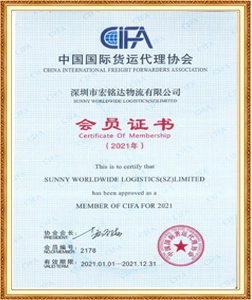
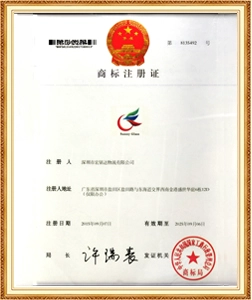
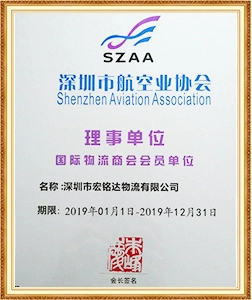
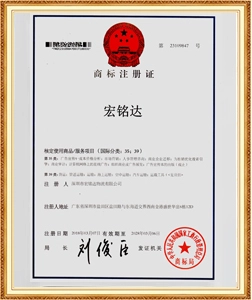
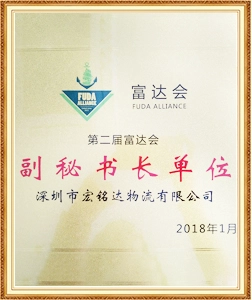
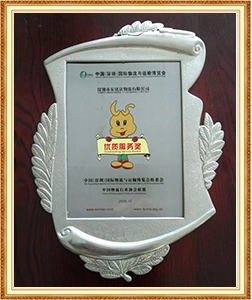
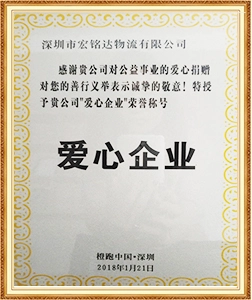
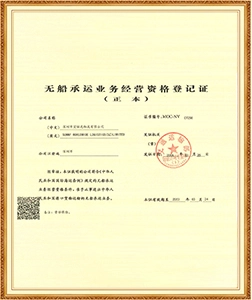
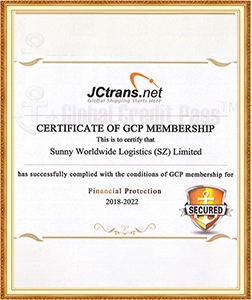
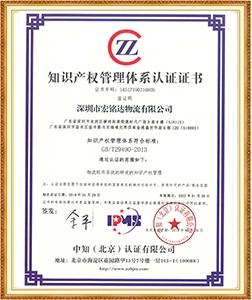
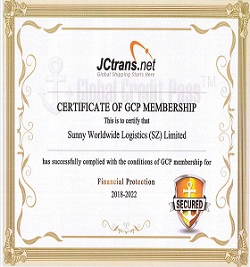
- Certifications
-
- Follow us
- Subscribe
-
Get email updates on new products
China to Netherlands Door to Door ddp ddu Shipping Service
- Destination:Netherlands
- Departure Day:Netherlands
- Transit Time (Days):35 Days
- Shipment Type:All Types
- Type:Freight Forwarder Sea Cargo
China to Netherlands Door to Door ddp ddu Shipping Service
The Short Answer
The Netherlands answers the DDP-or-DDU question with a line of tax law rather than a rate. Article 23 of the Dutch Turnover Tax Act allows import VAT to be reported and deducted on the periodic return instead of being paid at the frontier, so on a normal trading cycle the money never leaves the account. What decides the term is who is allowed to hold that permit, and whether your consignee already holds it.
What a DDP or DDU Booking Commits You To
A door-to-door booking to the Netherlands covers the whole chain under one contract: collection at your supplier in China, export clearance, the trunk movement by sea, rail or air, the Dutch import declaration, and delivery to a Dutch address.
Under DDP Sunny Worldwide Logistics (SZ) Limited stands as importer of record. The entry is lodged in our name, the customs duty and the 21 per cent import VAT are settled by us, and your consignee receives cleared cargo against a single invoice.
Under DDU your consignee is the importer. We carry the goods to the agreed place and hand them over, but the declaration in the DMS system and the taxes are the consignee's own responsibility, filed under its own Dutch VAT number.
A note on the label: DDU has not appeared in Incoterms since the 2020 edition, which carries the same duty-unpaid logic under the name DAP. Traders still use the older abbreviation, and freight quotations still quote it, so both terms describe one arrangement.
Who Does What Under Each Term
|
Party |
Under DDP |
Under DDU (DAP) |
|
Supplier in China |
Invoices us; we arrange collection |
Invoices us; we arrange collection |
|
Sunny Worldwide Logistics (SZ) Limited |
Lodges the DMS import declaration in our own name |
Lodges the export and transit documents only |
|
Importer of record on the Dutch entry |
Us |
Your consignee |
|
Customs duty |
Paid by us at release |
Paid by the consignee |
|
Import VAT at 21 per cent |
Accounted for by us |
Accounted for by the consignee |
|
Who can reclaim the VAT |
Us, on our return |
The consignee, on its return |
|
What the consignee receives |
Cleared cargo and one all-in invoice |
Cargo delivered duty unpaid, against our freight invoice |
The last two rows are where money is usually lost. Dutch import VAT is recoverable only by the business whose VAT number appears on the declaration, so a DDP arrangement cleared in our name puts the reclaim on our books, not the client's. Where the consignee is a Dutch business with an active VAT position, that is normally a reason to quote DDU instead.
The Dutch Rules That Sit Behind the Term
Registration is easier here than almost anywhere else in the EU
A company outside the European Union can register directly for Dutch VAT without appointing a fiscal representative. That is a real difference from France, Italy and Poland, where a foreign applicant generally cannot complete registration alone. The practical consequence is that a Chinese exporter wanting to sell into the Netherlands can hold its own Dutch VAT number without a local sponsor.
The Article 23 permit is a different door
The Belastingdienst does not accept an Article 23 application from an entrepreneur without a Dutch establishment. A foreign business reaches the permit through a tax representative, who applies for it and then reports the import VAT and deducts it as input tax on the same return. The permit is granted against Dutch VAT registration, a history of regular imports from outside the EU, records that show what arrived and what VAT arose on each entry, a clean compliance record and, in most cases, a financial guarantee.
Limited and general representation do different jobs
Limited representation operates transaction by transaction under the representative's own licence and VAT number, and the importer does not register in the Netherlands at all. It suits cargo that clears and moves straight on to a known business buyer. General representation gives the importer its own Dutch VAT number, managed by the representative, and is the version that allows stock to be held in the Netherlands and sold from there. Deciding which one applies usually comes down to one question: does the cargo pass through, or does it sit here?
Article 23 moves the VAT and nothing else
This is the misunderstanding worth correcting before a quotation is issued. Customs duty is still payable at the moment of release, and so are excise duty on alcohol, tobacco and mineral oils and any anti-dumping duty that applies. Only the import VAT is deferred. A DDP quote that treats the whole tax bill as deferrable is priced wrong.
Packaging and electrical goods sit with two different schemes
The Netherlands has no single environmental register. Packaging is reported to Verpact, the sole producer responsibility organisation for packaging, which collects weight and material data per producer. Waste electrical and electronic equipment and batteries go to Stichting OPEN. The body placing the goods on the Dutch market is the obligated party, which in a door-to-door movement means the exporter or the brand rather than the Dutch recipient. Packaging declarations close on 31 March for the previous year, with a further reporting date of 31 July. Enforcement has tightened since 2024, with the ILT inspecting marketplace sellers and Amazon.nl checking registration numbers at listing level. From 12 August 2026 the EU packaging regulation applies directly in every member state, so Dutch practice becomes one layer of a single EU framework rather than a national rulebook.
The EU layer applies as well
The 150 euro duty exemption ended on 1 July 2026 and a temporary duty of 3 euros per category of goods now applies, intended to run until 1 July 2028. An EU-established economic operator has had to be named on the product or its packaging since 13 December 2024. The carbon border adjustment mechanism has been in its definitive period since 1 January 2026 for steel, aluminium, cement, fertiliser, electricity and hydrogen.
Matching the Route to Your Deadline
|
If the goods have to be there in |
The route we would quote |
Reference door-to-door |
|
6 to 9 days |
Air freight to Schiphol, cleared and delivered |
Full air service |
|
20 to 28 days |
Rail to the Duisburg hub, road into the Netherlands |
Rail plus trailer |
|
32 to 45 days |
Sea freight to Rotterdam, cleared and delivered |
FCL and LCL |
|
Whenever the sailing allows |
Sea to Hamburg or Antwerp, road into the Netherlands |
Feeder relief in peak season |
Rotterdam is the largest seaport in Europe and handles a large share of cargo that is ultimately consumed well beyond the Netherlands, which is one reason so many non-Dutch European importers clear their goods here. Schiphol performs the same role for airfreight. A detail worth knowing for anyone booking Dutch entry: since 16 May 2026 Dutch Customs has worked digitally through the DMS system only, so the commercial invoice, packing list and any certificate have to arrive as usable electronic documents before the declaration can be lodged. Paper submitted at the gate is no longer an option.
Why Shippers Route Dutch Cargo Through Us
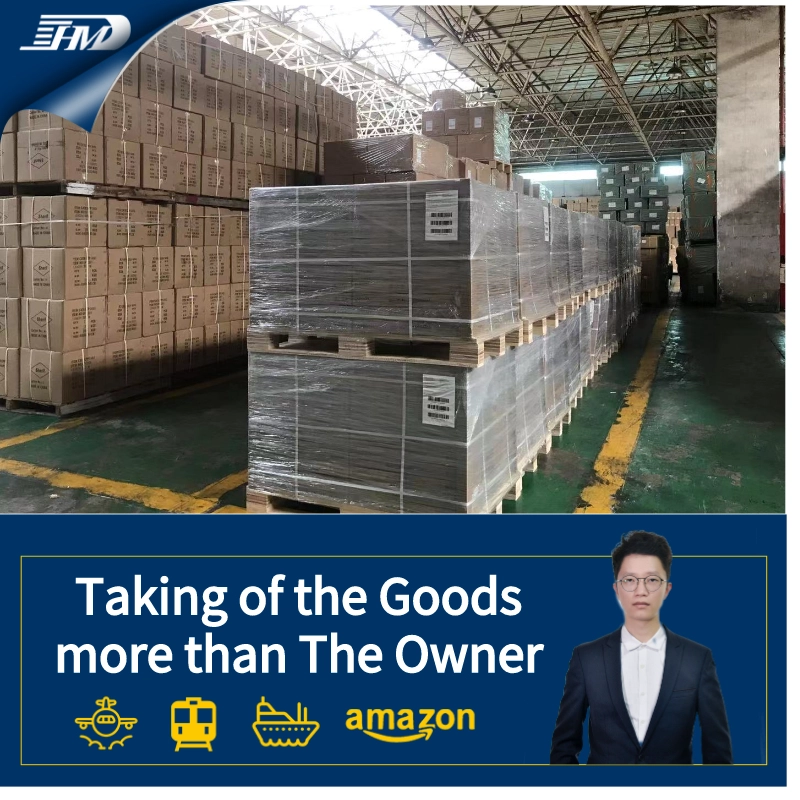
The container movement from your supplier to the vessel is ours rather than a subcontracted leg. Because the company owns a trucking operation at the Shenzhen sea port, the first mile is scheduled by the same desk that books the sailing and files the Dutch entry, which removes one of the usual places where a shipment loses a day.
Because Sunny Worldwide Logistics (SZ) Limited holds the invoice, the packing list and the declaration, discrepancies are caught while the container is still in China. That matters more in the Netherlands than in most markets, because the customs value on the DMS entry is the same figure the Belastingdienst will later compare against the VAT return, and a mismatch between the two is the most common reason a Dutch file is reopened months after delivery.
Cargo We Move into the Netherlands
- Industrial machinery, machine tools and spare parts
- Electronics, small appliances and computer peripherals
- Furniture, lighting and home textiles
- Building hardware, sanitary ware and fittings
- Automotive parts and accessories
- Consumer goods and e-commerce replenishment stock
- Packaging materials and point-of-sale displays
What We Need Before Booking
- Commercial invoice with a plain description of each item and its HS code
- Packing list with carton counts, weights and dimensions
- Whether the consignee is a Dutch or other EU VAT-registered business, and its VAT number
- Whether the consignee already holds an Article 23 permit, or intends to apply through a representative
- The full delivery address and any access restrictions
- Product labelling and any licence or certificate the goods require
- Named contact at the consignee for delivery booking
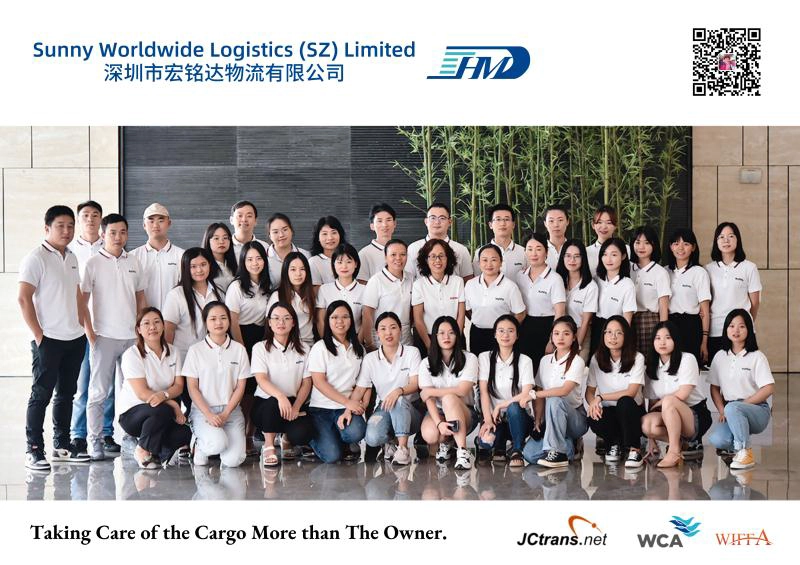
About the Company Filing Your Dutch Entry
|
Company |
Sunny Worldwide Logistics (SZ) Limited |
|
Established |
1998 |
|
Business |
Full-service domestic and international freight forwarding, based in China |
|
Facilities |
Class A office of 1,800 square metres in Shenzhen, plus a company-owned trucking operation at the Shenzhen sea port |
|
Contact |
Samira Chen |
|
Address |
8/F, Block B, Rongde Times Square, Henggang Street, Longgang District, Shenzhen, China |
|
Phone and WhatsApp |
+86 13428330724 |
|
Trade Manager |
cn220161160 |
|
|
sales38@swwlogistics.com.cn |
Questions Importers Ask About Dutch DDP
Q: Can a Chinese exporter be the importer of record in the Netherlands without a local company?
A: For a standard Dutch VAT registration, yes. The Belastingdienst allows a non-EU business to register directly, with no fiscal representative required. That registration alone does not unlock the Article 23 permit, which is a separate application and one a foreign business cannot make in its own name.
Q: Who actually applies for the Article 23 permit?
A: A tax representative, not the importer. Where the importer has no Dutch establishment the Belastingdienst will not accept the application directly, so a representative applies, holds the arrangement and reports the import VAT alongside the offsetting input tax on the same return.
Q: Does Article 23 mean nothing is paid at the border?
A: Only the VAT is deferred. Customs duty is still due when the goods are released, and excise duty and anti-dumping duty are unaffected by the permit. Budget the duty as real cash at the frontier and the VAT as a return entry.
Q: What is the practical difference between limited and general representation?
A: Limited representation keeps the transaction inside the representative's own licence and VAT number, with no Dutch registration for the importer, and works when cargo clears and moves straight to a known buyer. General representation gives the importer its own VAT number, managed by the representative, and is the version needed to hold stock in the Netherlands and sell from it.
Q: Do we have to sort out packaging and electronics registration before shipping?
A: Packaging is declared to Verpact and electrical equipment and batteries to Stichting OPEN, with no single portal covering both. The obligation falls on whoever places the goods on the Dutch market, so in a door-to-door flow it lands on the exporter or the brand. Getting the registrations in place before the first container arrives avoids the delays that follow an enforcement query.
Q: How does the removal of the 150 euro duty exemption affect small consignments?
A: The charge is now levied per category of goods rather than per parcel, so a shipment listing five separate low-value items carries five charges where it previously carried none. Sample boxes, spare-part orders and small e-commerce replenishments are the flows that notice it most.
Get a DDP or DDU Figure for the Netherlands
Tell us the commodity, the carton count, the delivery postcode and whether your consignee wants to be the importer of record. We will come back with two numbers on the same consignment — one carrying Dutch duty and VAT inside the rate, one stopping at the delivered price — so the comparison is made on cost rather than on terminology.
Write to Samira Chen at sales38@swwlogistics.com.cn, or call and message +86 13428330724. Quotations are issued against the shipment details above, normally within one working day.
Tel:+8613534256934
Wechat:13534256934
Contact Person:Samira

- Other Products