- Browse Categories
- Sea Freight
- Air Freight
- Railway Freight
- FBA Amazon
- Express Service
- Warehouse Service
- Trucking Service
- Custom Clearance
- SOC container shipping
- Contact Us
-
TEL:+86-755-25643417
Fax: +86 755 25431456
Address:Room 806, Block B, Rongde Times Square, Henggang Street, Longgang District, Shenzhen, China
Postcode: 518115
E-mail: logistics@swwlogistics.com.cn Contact Now
- Hot products



- Latest NewsMore>>
-
- Ocean freight may plummet by 30% in 2027, and the container shipping market may usher in a major reversal
- SOC Container Shipping from China to Canada shipping
- Maersk CEO responds to stock price plunge: Freight prices cannot remain high for a long time
- 20GP SOC Container Shipping from Shanghai China to the UK
- U.S. Customs releases new IOR regulations: Customs clearance of Chinese goods becomes more difficult and will be implemented on January 5, 2027
- 40HQ SOC Shipping Agent from Shenzhen to Germany
- Middle East ports are heavily congested, ships cannot wait for berths, and shipping companies are restricting bookings
- Port of Los Angeles-Long Beach strike risk on hold
- 40HQ SOC Fast Shipping from China to Germany Door to Door
- Freight rates have risen for the fourth consecutive time, Europe-European lines have risen, and the strike at West American ports has been postponed
- 40HQ SOC Fast Shipping from China to Germany
- Strike threat at Port of Los Angeles/Long Beach, port operations may be suspended
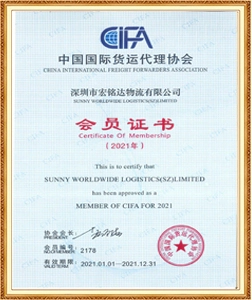
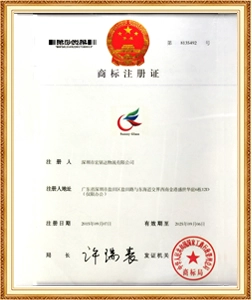
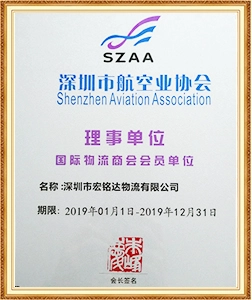
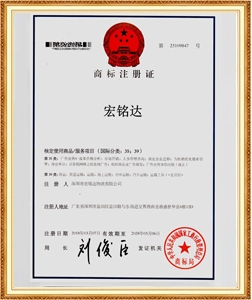
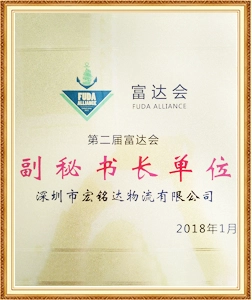
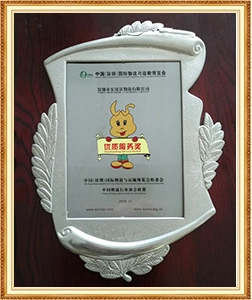
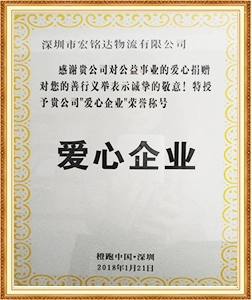
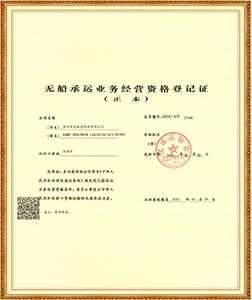
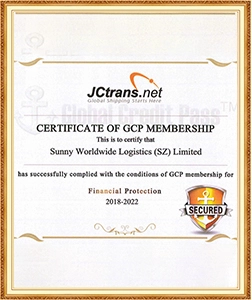
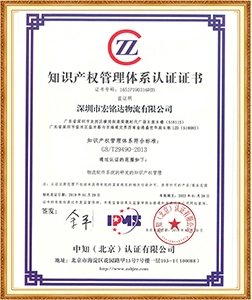
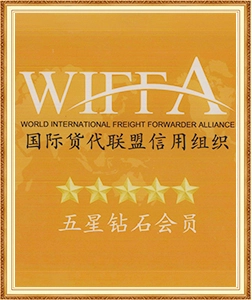
- Certifications
-

- Follow us
- Subscribe
-
Get email updates on new products
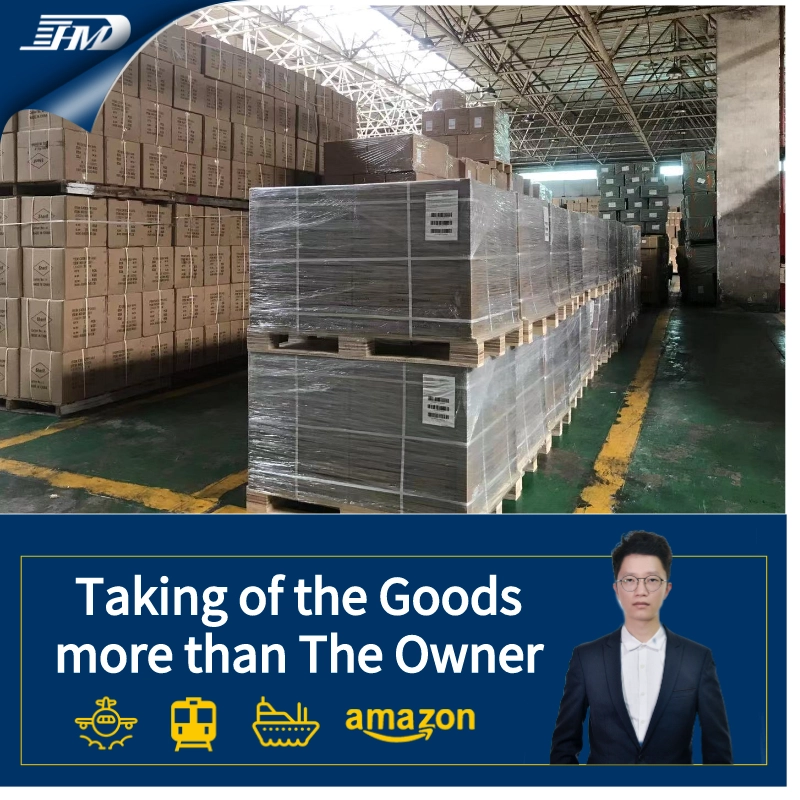

China to Portugal Door to Door Shipping Service VAT By Region
- Destination:Portugal
- Departure Day:Portugal
- Transit Time (Days):35 Days
- Shipment Type:All Types
- Type:Freight Forwarder Sea Cargo
China to Portugal Door to Door Shipping Service VAT By Region
The Short Answer
Portugal applies VAT from three separate tables inside one customs union. The mainland runs 23 per cent standard, 13 intermediate and 6 reduced; Madeira runs 22, 12 and 4; the Azores run 16, 9 and 4. Which table reaches your consignment is fixed by where the goods are released for free circulation, not by where the buyer is invoiced, so an entry lodged at Sines for a Funchal address produces a different figure from one lodged in Funchal itself. DDP places that decision with us; DDU leaves it with your buyer.
What a Door-to-Door Booking Covers
A China to Portugal movement under one contract runs from factory collection through the export declaration, the ocean, air or rail leg, the Portuguese import entry lodged in the STADA system, settlement of duty and tax, and delivery to the consignee's address. Which of those steps carries the fiscal risk is what the term decides.
Taken as DDP, we stand on the entry as importer, we pay the duty and the import VAT, and the consignee books a single supplier invoice against goods that arrive already cleared.
Taken as DDU, the consignee lodges the entry through its own agent and settles duty and tax directly, while our responsibility ends at the delivery address with the goods still awaiting clearance.
Where Responsibility Moves, Stage by Stage
Reading one consignment through the file explains the difference faster than comparing two price lines, because the handover happens at a specific moment rather than across a whole shipment.
|
Stage |
Under DDP |
Under DDU |
|
Booking and export |
We hold the contract, the export declaration and the carrier booking |
Identical; the export side does not change with the term |
|
Main carriage |
Our booking, our bill of lading |
Our booking, our bill of lading |
|
Arrival and entry |
We lodge the entry in STADA as importer |
Consignee lodges the entry through its own agent |
|
Duty and VAT at release |
Paid by us, priced into the rate |
Paid by the consignee before the container leaves |
|
Delivery |
Cleared cargo to the door |
Cargo to the door, clearance handled by the buyer |
|
Recovery of the tax |
We reclaim through our Portuguese returns |
Consignee reclaims, and needs a Portuguese VAT number to do it |
Two of those stages carry nearly all the practical risk. Arrival is where a missing registration stops a container on the quay, and recovery is where a consignee without a Portuguese number learns it has funded a cost it cannot claim back.
The Three VAT Tables
Mainland, Madeira and Azores
Mainland Portugal sets 23 per cent as its standard rate, 13 per cent as an intermediate rate and 6 per cent as the reduced rate. Madeira applies 22, 12 and 4. The Azores apply 16, 9 and 4. Both archipelagos sit inside the European Union customs and VAT territory, so cargo clears there under the same union rules as the mainland, but their rate tables survive as a permanent regional derogation.
Why the clearance point sets the rate
The rate attaches at release for free circulation, not at the point of sale. Cargo discharged and cleared at Sines is taxed on the mainland table even when the delivery address is in Funchal. Reaching the island table requires the goods to move under a transit procedure and be cleared in Madeira or the Azores, and that routing has to be chosen at booking because it cannot be reversed once the entry is accepted.
The fiscal representative sits inside the chain
A business established outside the European Union cannot hold a Portuguese VAT number for goods imports without appointing a fiscal representative, and that number is what makes the import tax recoverable at all. The representative answers to the tax authority for the returns it signs, so it will usually examine the importer's records before accepting the mandate. Where a buyer cannot register, the DDP route borrows our representative and our number.
Invoice data is filed, not merely issued
Portuguese invoices have carried an ATCUD code and a QR code since 1 January 2022, and the data behind them is communicated to the tax authority electronically. A DDP invoice raised for a Portuguese consignee therefore has to come from an entity able to generate both. That is a documentation constraint rather than a customs one, which is exactly why it tends to surface late when nobody checks it at quotation stage.
Packaging responsibility arrives through one statute
Portugal folded packaging, waste electrical equipment, batteries and end-of-life vehicles into a single extended producer responsibility law, Decreto-Lei 152-D/2017. A producer placing packaged goods on the Portuguese market registers, reports tonnage by material and pays a fee through a licensed scheme, with Sociedade Ponto Verde handling most household packaging. The duty attaches to whoever places the product on the market, which for imported goods is normally the importer and can also reach the brand owner.
The union rules sitting above the national ones
Three changes now share the same file. Low-value consignments lost their duty relief on 1 July 2026 and attract a flat 3 euros per category of goods until 1 July 2028. A responsible economic operator inside the union has had to be identifiable on the product or its packaging since 13 December 2024. And from 12 August 2026 the packaging and packaging waste regulation applies directly in every member state, displacing the directive the national rules were built on.
How Cargo Reaches Portugal
Sines is the deep-water container gateway and the shortest sea rotation from Asia, sitting south of Lisbon with direct road and rail links running north. Vessels from Chinese base ports land in the low thirties of days, and door-to-door transit settles between 33 and 45 days once release and the inland leg are counted.
Leixões, north of Porto, is the second container gateway and the natural entry for the Minho, Porto and Galicia hinterland. It adds a couple of days at sea against Sines but removes several hundred kilometres of road, which usually nets out cheaper for addresses above the Douro.
Lisbon's Alcântara terminal handles smaller volumes close to the capital, and Setúbal takes ro-ro and automotive traffic on the south bank.
Air freight lands at Lisbon, the larger of the two cargo airports, or at Porto for northern addresses, with door-to-door transit of 5 to 9 days once the entry is released.
No block train from China terminates in Portugal. Rail cargo arrives at the Madrid terminal and continues by road across the border, roughly 600 kilometres to Lisbon and a little less to Porto, which places the door-to-door band at 24 to 32 days.
What We Ask For Before We Book
- Commercial invoice with a plain description of each item and its HS code
- Packing list with carton counts, weights and dimensions
- Whether the consignee holds a Portuguese VAT number, and its NIF
- Whether a fiscal representative is already appointed, and by whom
- The delivery postcode, so the mainland or island rate table can be fixed before booking
- Packaging materials and weights, for the producer responsibility report
- Product labelling and any certificate the goods require
Why Shippers Route Portuguese Cargo Through Us
The container is collected by our own fleet at the Shenzhen terminal rather than by a hired hauler, because Sunny Worldwide Logistics (SZ) Limited runs a trucking company at the port beside its forwarding desk.
Portuguese files turn on documents more than most destinations. The entry value, the commercial invoice and the packaging report have to agree three ways, and the ATCUD sequence has to exist before the goods land. A disagreement is cheap to correct at quotation and expensive to correct at the terminal gate.
Cargo We Move into Portugal
- Industrial machinery, tools and spare parts
- Consumer electronics, small appliances and accessories
- Furniture, lighting and home textiles
- Ceramic tiles, stone and sanitary ware
- Automotive parts and motorcycle accessories
- Cork, textile and footwear components
- E-commerce replenishment and consumer goods
The Company Behind the Entry
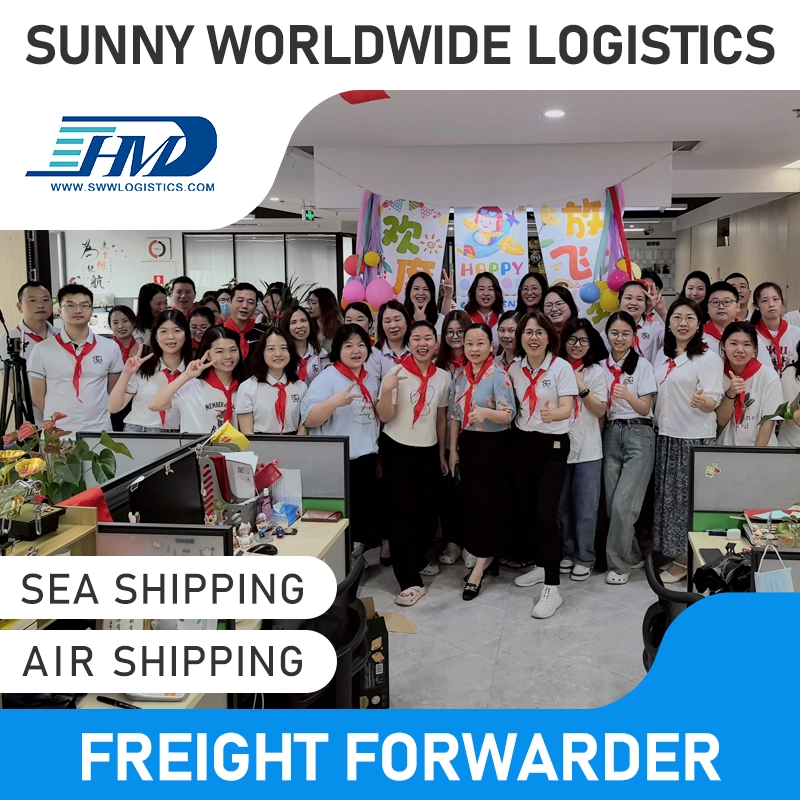
Sunny Worldwide Logistics (SZ) Limited has forwarded cargo since 1998 from Shenzhen, operating as a domestic and international forwarder with its own transport capacity rather than a brokered one. A 1,800 square metre Class A office in Shenzhen and a trucking company at the sea port keep collection and terminal handling inside the same organisation that files the Portuguese declaration.
Samira Chen / Sunny Worldwide Logistics (SZ) Limited / 8/F, Block B, Rongde Times Square, Henggang Street, Longgang District, Shenzhen, China / phone and WhatsApp +86 13428330724 / Trade Manager cn220161160 / sales38@swwlogistics.com.cn
Questions Importers Ask About Portuguese DDP
Q: Are Madeira and the Azores outside the EU customs territory?
A: No, both are inside it, which is what separates them from the Canary Islands. They clear under union customs rules but keep their own VAT tables, so the question is not whether EU rules apply but which of the three rate tables the entry is released against.
Q: Is a fiscal representative unavoidable for a non-EU seller?
A: For goods imports, yes. A company established outside the union cannot obtain a Portuguese VAT number without one, and without that number the import tax it pays cannot be recovered. It is a registration step with a lead time, so it belongs in the launch plan rather than the shipping week.
Q: Which VAT rate will actually be charged on our shipment?
A: The rate of the place where the goods are released for free circulation. Clearing at Sines applies the mainland table to any destination, Madeira and the Azores included. To obtain an island rate the consignment must travel under transit and be cleared there instead.
Q: Does the import VAT calculation include the freight?
A: It does. The taxable base is built from the customs value plus duty plus the transport and insurance costs up to the place of destination, so two quotations that match on goods value can still diverge once freight is inside the base.
Q: What is ATCUD, and does it affect a DDP shipment?
A: It is the unique document code that Portuguese invoices must carry alongside a QR code, in force since 1 January 2022. It matters on DDP because the invoice is issued by the importer of record, so the entity filing the entry has to be able to generate a compliant Portuguese invoice.
Q: Do we need packaging registration if a Portuguese company imports for us?
A: The obligation follows whoever places the packaged product on the Portuguese market. When a Portuguese importer takes delivery and resells, the registration usually sits with that importer, but a brand owner shipping under its own name can be treated as a producer too, so the split is worth agreeing in writing.
Get a DDP or DDU Figure for Portugal
Send the commodity, the carton count, the delivery postcode and the packaging materials. The postcode is not a formality on this lane: it decides whether the entry belongs on the mainland table or an island one, and that moves the figure before anything else does.
We return two quotations on the same consignment, one with duty and import VAT inside the price and one stopping at delivery. Details reach Samira Chen at sales38@swwlogistics.com.cn, or on +86 13428330724 by phone and WhatsApp, and figures usually go back the next working day.
Tel:+8613534256934
Wechat:13534256934
Contact Person:Samira

- Other Products