














Maersk ranks first in Asia's regional route capacity
Sunny Worldwide Logistics It is a logistics company with more than 20 years of transportation experience, focusing on markets such as Europe, the United States, Canada, Australia, and Southeast Asia. It is more of a cargo owner than a cargo owner~
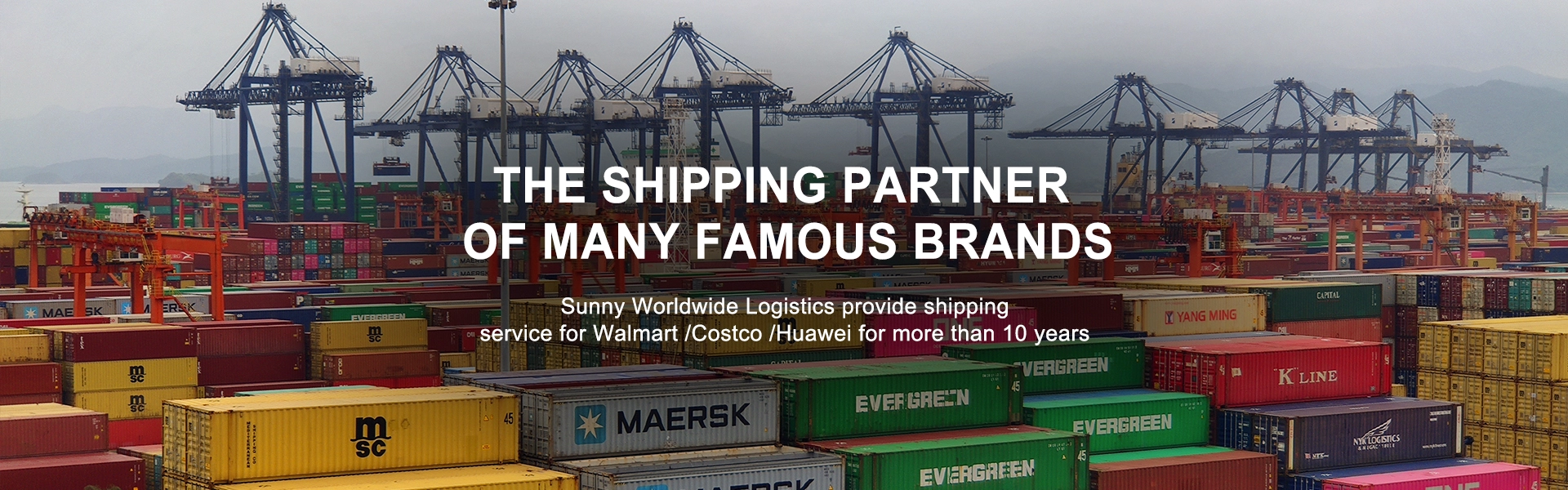
Maersk is continuing to increase its investment in shipping capacity on regional routes in Asia. According to Alphaliner’s latest analysis, Maersk’s deployed shipping capacity in the international Asian regional shipping market has surpassed COSCO Shipping Lines, becoming the largest liner company in this market.
Shipping capacity exceeds COSCO Shipping
As of mid-August, Maersk has deployed a total of 108 ships on regional routes in Asia, with a total shipping capacity of 343,021 TEU, an increase of approximately 34,000 TEU over the same period last year, making it the largest increase in shipping capacity among major local shipping companies. COSCO Shipping's ranking dropped to second place, with currently deployed shipping capacity of approximately 315,162TEU and more than 120 operating ships, but its total shipping capacity is basically the same as the same period last year. It can be seen that Maersk’s rise to the top is mainly due to the investment in new shipping capacity and a larger average ship size.
Expansion motivation and ship structure
This change in ranking is closely related to Maersk's continuous increase in branch lines and connection services in Asia over the past year. Alphaliner believes that part of the reason for Maersk's capacity expansion is related to the hub-feeder network of the Gemini Alliance. This model uses a large number of Asian regional shuttle routes to centrally transport cargo to major hubs and then connects with large east-west trunk ships. Currently, Maersk's average single-ship shipping capacity in the Asian regional market is approximately 3,176TEU, which is at the highest level among major large shipping companies.
Performance of other major liner companies
Regarding other major shipping companies, CMA CGM’s shipping capacity has also grown significantly. In the past year, CMA CGM has increased its presence in the international Asian regional market by approximately 15,000 TEU, with a deployed capacity of 214,406 TEU, surpassing Evergreen Line and rising to third place. Evergreen Shipping currently has a deployed capacity of approximately 205,593TEU, ranking fourth. Mediterranean Shipping's shipping capacity declined, decreasing by approximately 2% year-on-year to 166,542TEU. Asian regional shipping specialist SITC ranks sixth, currently deploying approximately 157,000 TEU in the market, involving 109 ships.
The overall Asia regional route capacity increased by 6.2%
From the perspective of the entire market, the capacity of international Asian regional routes continues to grow. Alphaliner estimates that after excluding domestic routes, the current total capacity of international Asian routes is close to 2.6 million TEU, a year-on-year increase of approximately 6.2%, and the growth rate is higher than the overall capacity growth of the global container fleet. Currently, more than 80 shipping companies compete in this market, and the market structure is still highly fragmented. Among them, regional shipping companies and feeder shipping companies together account for about 37% of the deployed transportation capacity; large international liner companies control more than 63% of the market transportation capacity. The operating methods of the two types of shipping companies are different: although large liner companies have a relatively small number of ships, their average ship size is larger; regional and feeder shipping companies rely on a larger number of small and medium-sized ships to cover various ports in Asia.
Competition in Asian regional markets continues to intensify
Judging from this change in capacity rankings, the world's largest liner companies are further strengthening their network layout in Asia. Maersk uses Gemini's hub-feeder model to expand regional route capacity, COSCO Shipping remains relatively stable, and CMA CGM continues to increase investment. For freight forwarding companies, the increase in Asia regional route capacity means that the route network between Southeast Asia, Northeast Asia and major Asian hubs is still being adjusted. In the future, with the network optimization of large liner companies and the continuous investment of new ships, the ship types, ports of call and transit modes of regional routes may still change.