



















General strikes at two major European ports: Terminals shut down for 48 hours, truck collection operations restricted
Sunny Worldwide Logistics It is a logistics company with more than 20 years of transportation experience, focusing on markets such as Europe, the United States, Canada, Australia, and Southeast Asia. It is more of a cargo owner than a cargo owner~

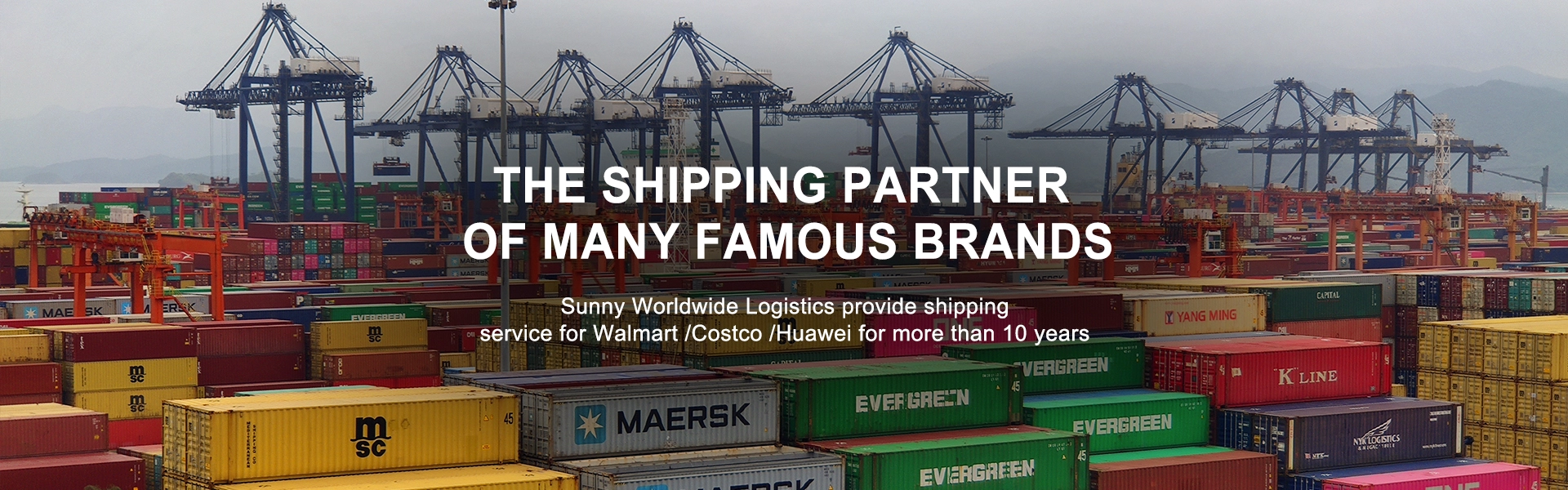
Major European ports are facing a new round of labor actions. German port workers launched a 48-hour warning strike on the evening of September 2, and container terminal operations were basically suspended during this period. The Port of Rotterdam also went on strike on September 4, and many terminals and yards have announced restrictions on the entry and exit of container trucks. The background of the two strikes is different, but the time is connected with each other. It is expected to cause continuous pressure on port loading and unloading, container pickup and return, transshipment and European inland transportation.
48-hour strike at German ports ongoing, terminal operations completely suspended
According to port news released by Kuehne Nagel, labor negotiations between the German service industry union Verdi and the Central Association of German Seaport Enterprises have yet to achieve a breakthrough. The union decided to launch a new warning strike after port workers rejected the employer's latest proposal. The strike started at 22:00 on September 2 (when the evening shift starts) and is expected to last for 48 hours and end in the evening of September 4.
During the strike, operations at the affected container terminals have been suspended, inbound delivery and outbound pick-up of containers cannot be carried out normally, and terminal transfer operations have been completely disrupted. The loading and unloading progress of sea-going ships has been significantly affected, which is expected to further cause ship delays, voyage adjustments and terminal operation backlogs. This action continues the recent escalation of labor disputes in German ports. Major German North Sea ports such as Hamburg Port, Bremerhaven Port and Wilhelmshaven are all facing the risk of operational disruption.
It is worth noting that the utilization rate of German ports and related transportation resources is currently at a high level. The backlog caused by the strike will not be eliminated immediately with the resumption of work at the terminal. It will still take time to deal with the stranded containers and adjust the ship berthing plan.
The strike at the Port of Rotterdam on September 4 continued and many terminals restricted the entry and exit of container cards.
The German port strike has not yet ended, and the strike held at the Port of Rotterdam on September 4 has continued. This action is not the same event as the German port wage negotiations. It was caused by the union's opposition to the social security system reform plan.
At present, many terminals and yards have announced their truck collection operation arrangements during the strike: APM Terminals Maasvlakte II Terminal will suspend truck collection after the reservation period from 10:15 to 10:45, and is expected to resume later in the evening; Rotterdam Shortsea Terminals and Rail Service Center Rotterdam will stop truck collection operations from 10:00 to 20:00 that day; ECT Delta Terminal and Euromax Terminal are expected to be closed, and the specific suspension and recovery time are still under evaluation.
Some facilities maintain normal arrangements: Rotterdam World Gateway has confirmed that the truck collection business is operating as usual; Hapag-Lloyd Depot, HGT Rotterdam Depot and UWT are currently expected to continue operations. QTerminals Kramer is still assessing the impact of the strike and does not rule out the possibility of temporary closure if the number of employees participating in the strike is large. As arrangements vary from terminal to terminal, operating hours may still change depending on strike participation.
The risk of congestion rises before and after the strike, and facilities that have not been shut down are under pressure
Kuehne + Nagel predicts that before the strike at the Port of Rotterdam, some cargo owners and transportation companies concentrated on arranging box pick-up, return and port entry operations, which has led to an increase in container truck traffic. After the terminal resumes operations, the concentrated release of the backlog of containers may cause congestion again. At the same time, some of the cargo volume originally planned to enter the suspended terminal may be diverted to the facilities that are still in operation, putting additional operating pressure on RWG and some storage yards.
In terms of maritime export goods, the terminal's suspension of receiving containers has affected port entry plans, and some goods face the risk of missing the port cut-off time or being unable to be shipped as planned; imported goods are experiencing delays in picking up containers, which may further affect subsequent warehousing, distribution and production arrangements. Transshipment cargo also requires attention - terminal transshipment operations were suspended during the German port strike, and feeder ship connections and subsequent shipping schedules were affected. If the backlog continues, the impact may also be transmitted to other Nordic ports and the European inland transportation network.
Freight forwarders need to check terminal arrangements and container pick-up and drop-off windows in a timely manner
The two strikes are closely connected, which puts forward higher requirements for the operational coordination of freight forwarders and cargo owners. Relevant companies need to re-check container pick-up and return plans, port entry times, port cut-off nodes and trailer reservations based on specific terminal arrangements. For goods that have recently been transited, imported or exported through Germany's North Sea ports or the Port of Rotterdam, it should also be confirmed whether the shipping company has adjusted its berthing plan and whether the terminal has suspended receiving export heavy or empty containers.
After the strike ends, it will still take some time to process the backlog. When providing customers with estimated arrival, pick-up and delivery times, freight forwarders should reserve a buffer for the resumption of port operations and pay attention to the resulting storage fees, container detention fees, port demurrage fees and trailer waiting costs.
Overall, although the 48-hour warning strike at German ports and the strike at Rotterdam Port on September 4 had different origins, their continuous occurrence has significantly increased the short-term operating pressure on Nordic ports. There is a risk of delay in port loading and unloading, container pickup and return, transshipment connections and inland transportation. The specific impact still needs to be continuously observed according to the latest arrangements of each terminal.